
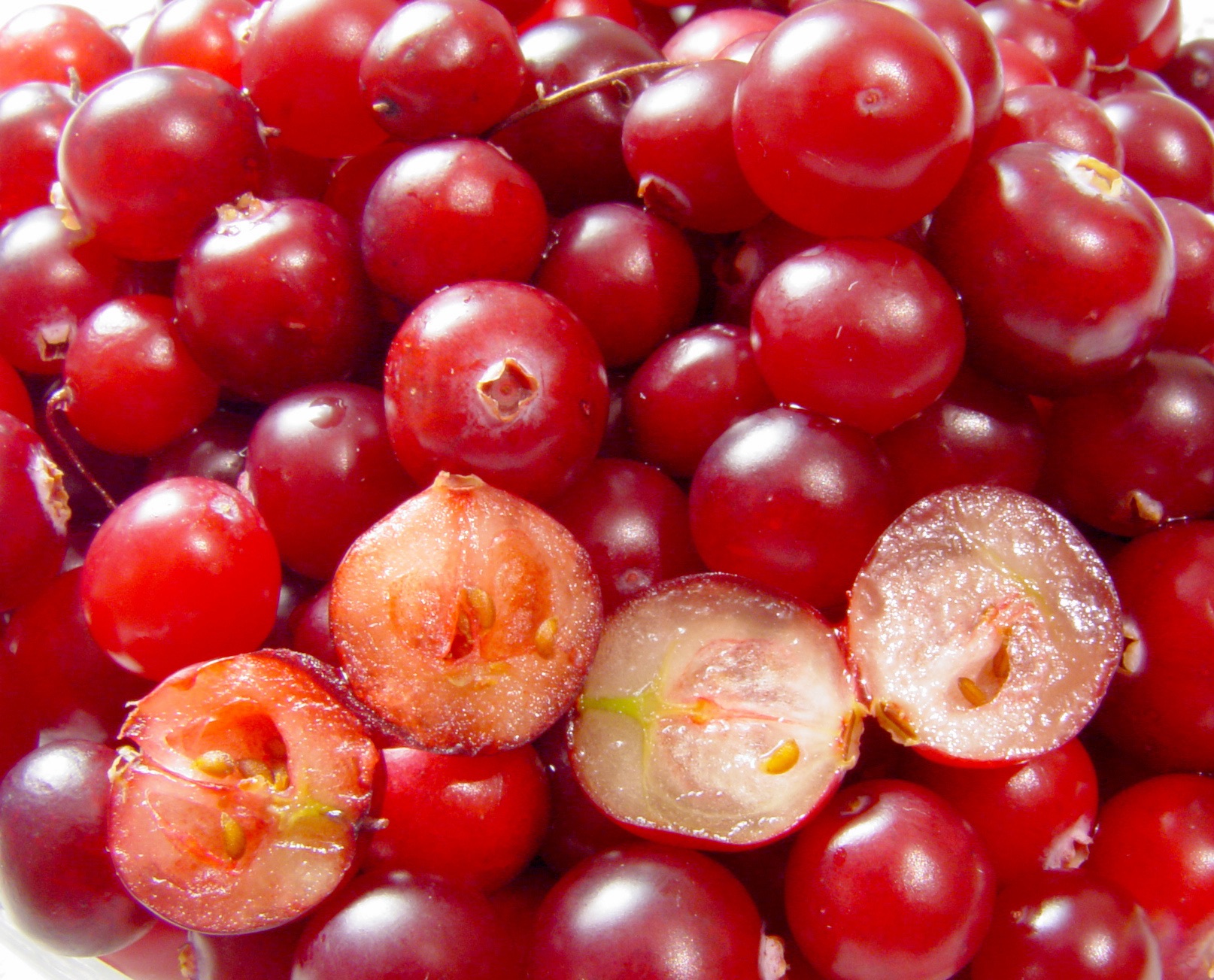





Researchers at the University of Illinois Chicago investigated whether cranberry juice could help reduce the activity of bacteria associated with tooth decay. Dental plaque is a sticky layer of bacteria that forms on teeth. When these bacteria break down sugars from food and drinks, they produce acids that can weaken tooth enamel and eventually contribute to cavities. Cranberries contain natural plant compounds called proanthocyanidins, which have previously shown an ability to interfere with bacterial growth and attachment. The researchers wanted to find out whether drinking cranberry juice could reduce plaque bacterial growth and acid production in the human mouth.
The study included 22 participants: eight adults between 18 and 64 years old and 14 children between 7 and 12 years old. Researchers conducted two separate randomized crossover trials comparing three beverages: unsweetened 100% cranberry juice, a cranberry juice cocktail containing 27% juice with added sugar, and water. Participants held and swished small amounts of the assigned beverage in their mouths before swallowing. The researchers collected dental plaque samples before exposure and again 30 minutes afterward. They then tested the samples in the laboratory to measure how quickly plaque bacteria regrew and how much acid they produced.
The results showed that 100% cranberry juice significantly reduced both plaque bacterial regrowth and acid production. Compared with samples collected before exposure, bacterial regrowth decreased by approximately 44% in adults and 33% in children. The plaque bacteria also produced less acid, which could be beneficial because bacterial acids contribute to the breakdown of tooth enamel. In contrast, the cranberry juice cocktail and water did not produce statistically significant reductions in bacterial regrowth or acid production. These findings suggest that compounds found in pure cranberry juice may interfere with the activities of bacteria associated with tooth decay.
Although the findings are promising, the researchers emphasized that further studies are necessary. The experiment involved a small number of participants and measured only short-term changes in plaque bacterial activity rather than actual cavity prevention. Pure cranberry juice is also naturally acidic, so its potential effects on tooth enamel from frequent consumption need further investigation. Larger and longer studies could help determine whether cranberry products can provide meaningful dental health benefits and how their natural compounds affect the balance of bacteria in the mouth. For now, the research suggests that pure cranberry juice may have useful biological properties, but it should not replace established dental care practices such as brushing with fluoride toothpaste, flossing, and regular dental checkups.
References
Wu, C. D., Li, W., Luu, M., Kratunova, E., & Xie, Q. (2026). In vivo exposure to cranberry juice suppresses dental plaque regrowth and acid production in adults and children: A PGRM study. Scientific Reports, 16, Article 28663. https://doi.org/10.1038/s41598-026-56025-3
AI Disclosure Statement:
The Chromoscience uses AI-assisted tools to support the preparation and editing of science articles. Content is reviewed by the editor for clarity and consistency with the cited research before publication. Readers are encouraged to consult the original scientific publications for complete findings, methods, and limitations.

Leave a Reply