

Related Topics

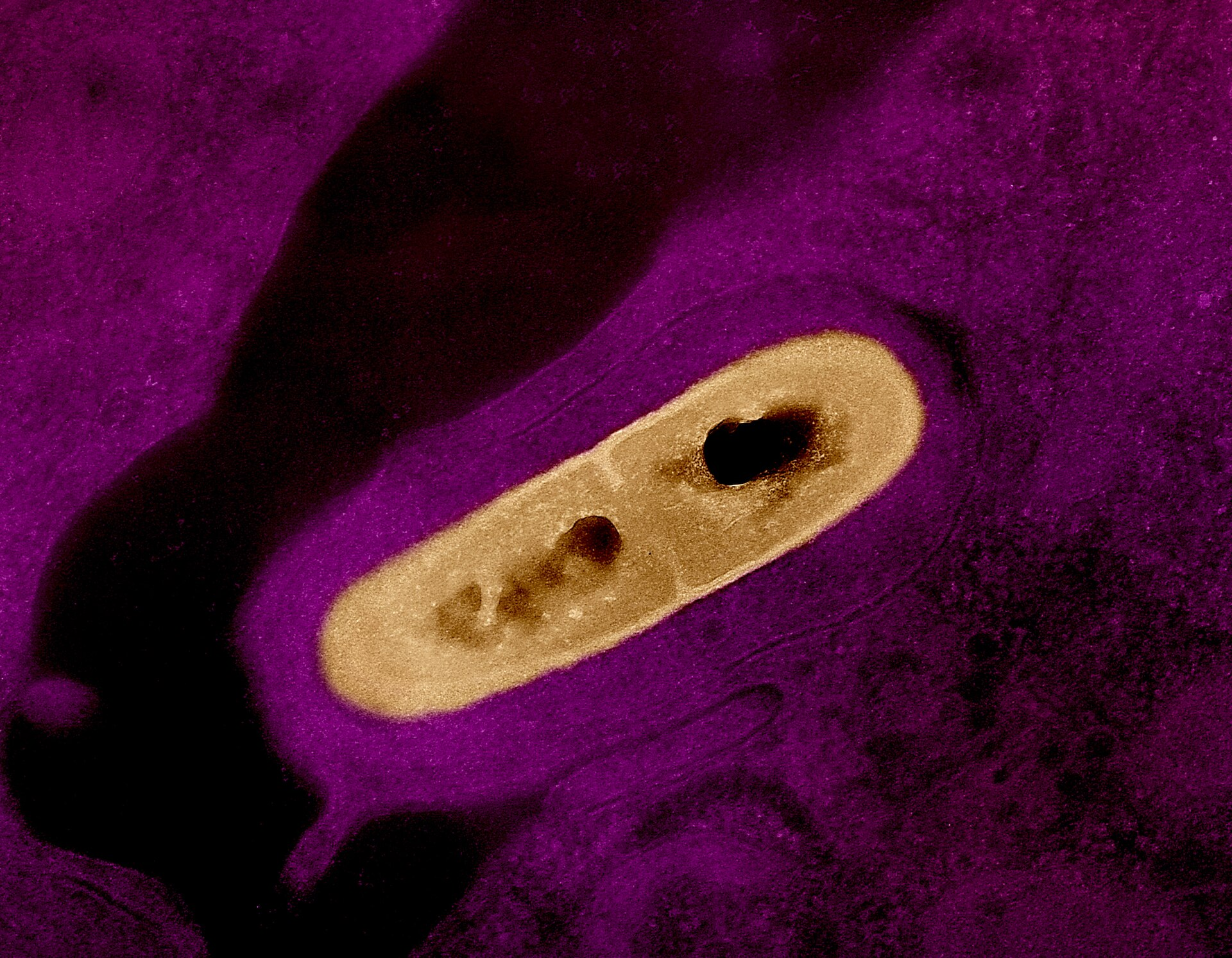
A new study by researchers at the Massachusetts Institute of Technology (MIT) has discovered how Listeria monocytogenes, a bacterium responsible for the foodborne illness listeriosis, manipulates proteins inside infected cells to help spread infection. This bacterium is particularly dangerous because it can survive and multiply inside human cells and move directly from one cell to another. This ability allows it to spread through tissues while avoiding some of the body’s defenses. Researchers wanted to understand how Listeria uses proteins already present in host cells to support its movement and survival. Their findings, published in Nature Communications, reveal an important interaction between the bacterium and a human protein involved in regulating cellular defenses.
To investigate this process, the scientists used a laboratory technique called proximity labeling, which helps identify proteins located near the surface of bacteria during infection. They used a specialized enzyme system called split-TurboID to identify host proteins that interact closely with Listeria inside infected cells. One protein that attracted their attention was CYLD, an enzyme that removes certain chemical tags called ubiquitin from other proteins. Ubiquitin tags help regulate many cellular activities, including immune responses. The researchers discovered that Listeria uses one of its own proteins, called Internalin C (InlC), to redirect CYLD toward specific regions at the ends of the bacterium. This suggests that the pathogen can manipulate the location and activity of a host protein to benefit its infection process.
The researchers also discovered something unexpected about how CYLD functions during infection. Although CYLD was recruited to the bacterial surface, it did not appear to remove ubiquitin directly from the bacteria or control their removal through autophagy, a process cells use to break down unwanted materials. Instead, CYLD worked alongside the bacterial protein InlC to help Listeria resist certain cellular defenses that normally limit its spread. These defenses involve interferon-gamma (IFN-γ), an immune signaling molecule, and RNF213, a protein involved in restricting infections. The findings indicate that Listeria can interfere with these protective mechanisms and continue spreading between epithelial cells, which form protective layers in the body. The study also highlights that CYLD can play different roles depending on the type of host cell being infected.
This discovery provides a better understanding of how harmful bacteria take advantage of normal cellular processes to establish and spread infections. Rather than relying only on their own biological machinery, pathogens such as Listeria can redirect host proteins to help overcome immune defenses. Understanding these interactions may eventually help scientists identify new approaches for preventing or treating bacterial infections. However, the findings describe molecular mechanisms observed in laboratory experiments and do not demonstrate that targeting CYLD or InlC would be an effective treatment in humans. Additional research is needed to determine whether these mechanisms can be safely targeted. Overall, the study demonstrates how examining interactions between bacterial and host proteins can reveal previously unknown strategies that pathogens use to survive and spread.
References
Woida, P. J., Smith, M. W., & Lamason, R. L. (2026). Proximity labeling of the Listeria monocytogenes surface reveals pathogen control of a host deubiquitinase. Nature Communications. https://doi.org/10.1038/s41467-026-79162
AI Disclosure Statement:
The Chromoscience uses AI-assisted tools to support the preparation and editing of science articles. Content is reviewed by the editor for clarity and consistency with the cited research before publication. Readers are encouraged to consult the original scientific publications for complete findings, methods, and limitations.



Leave a Reply