

Advertisements
Advertisements
Related Topics

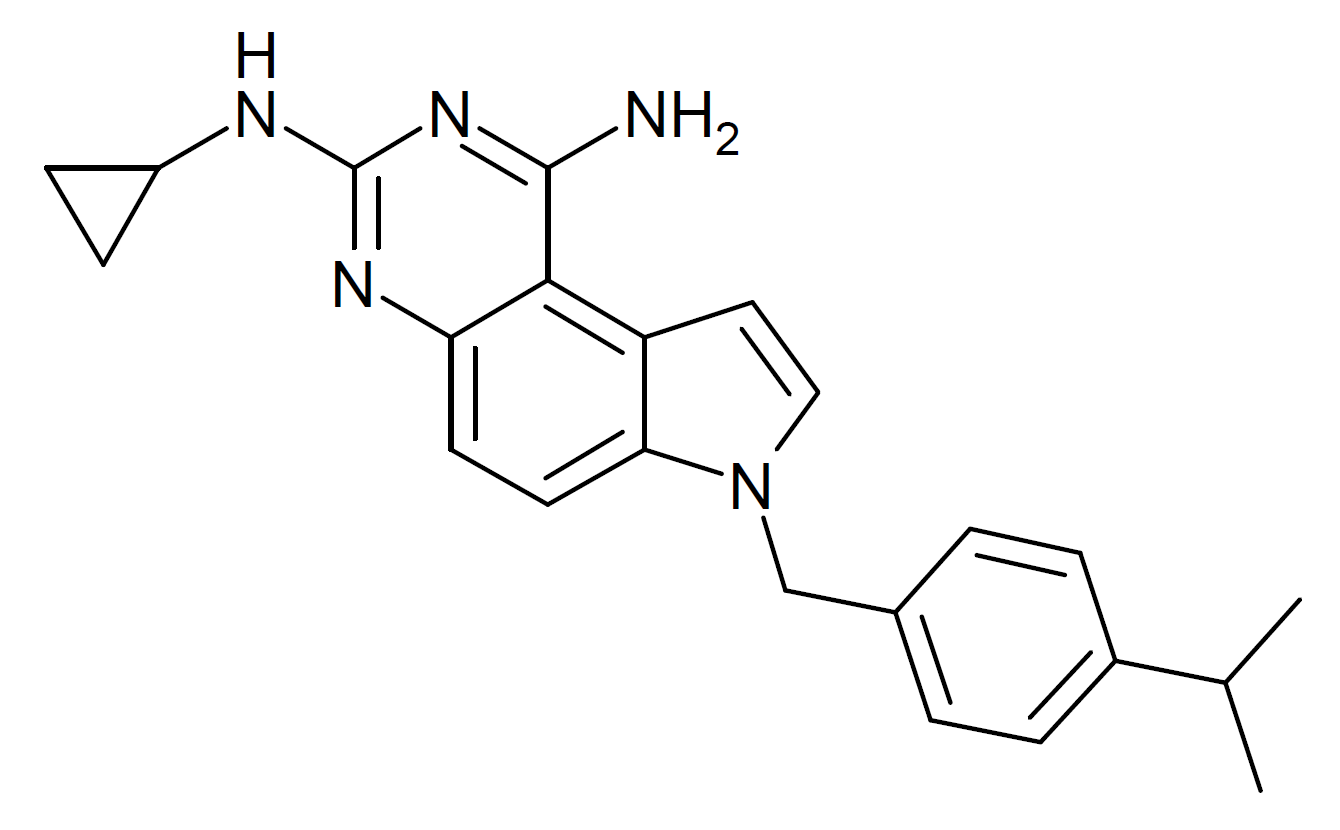
- A compound called SCH-79797 can damage and destroy cell walls and folate in bacteria.
- The team consists of researchers from Princeton University.
- The compound can kill both Gram-positive and Gram-negative bacteria without detectable resistance.
- The compound targets folate metabolism and membrane integrity which are two different mechanisms within one molecule. Scientists are hoping that this discovery will lead to a better new type of antibiotics.
- One of the weaknesses of antibiotics is that bacteria mutates quickly to resist them. The Princeton team found that they were unable to generate any resistance to this compound.
- Bacteria divides approximately every 20 minutes and gives them a lot of chances to mutate into an antibiotic resister, but with the compound, they did not. The team also did a similar experiment using other antibiotics and the bacteria quickly mutated with resistance.
- An SCH derivative called Irresistin-16 can be used to treat gonorrhea infection in mice.
- The team was able to test the compound against the gonorrhea-causing bacteria that is resistant to every known antibiotic and the compound killed the strain.
- This research should be significant because antibiotic resistance is on the rise outpacing the discovery of new antibiotics which creates a global health crisis.
- Drug regulators has not been approved new antibiotics to treat Gram-negative disease-causing bacteria for almost 30 years.
Sources:
Martin, J. K., 2nd, Sheehan, J. P., Bratton, B. P., Moore, G. M., Mateus, A., Li, S. H., Kim, H., Rabinowitz, J. D., Typas, A., Savitski, M. M., Wilson, M. Z., & Gitai, Z. (2020). A Dual-Mechanism Antibiotic Kills Gram-Negative Bacteria and Avoids Drug Resistance. Cell, 181(7), 1518–1532.e14. https://doi.org/10.1016/j.cell.2020.05.005
https://www.sciencedaily.com/releases/2020/06/200603132541.htm
https://www.scbt.com/p/sch-79797-dihydrochloride-1216720-69-2
Advertisements
Advertisements
AI Disclosure Statement:
The Chromoscience uses AI-assisted tools to support the preparation and editing of science articles. Content is reviewed by the editor for clarity and consistency with the cited research before publication. Readers are encouraged to consult the original scientific publications for complete findings, methods, and limitations.



