

Advertisements
Advertisements
Related Topics

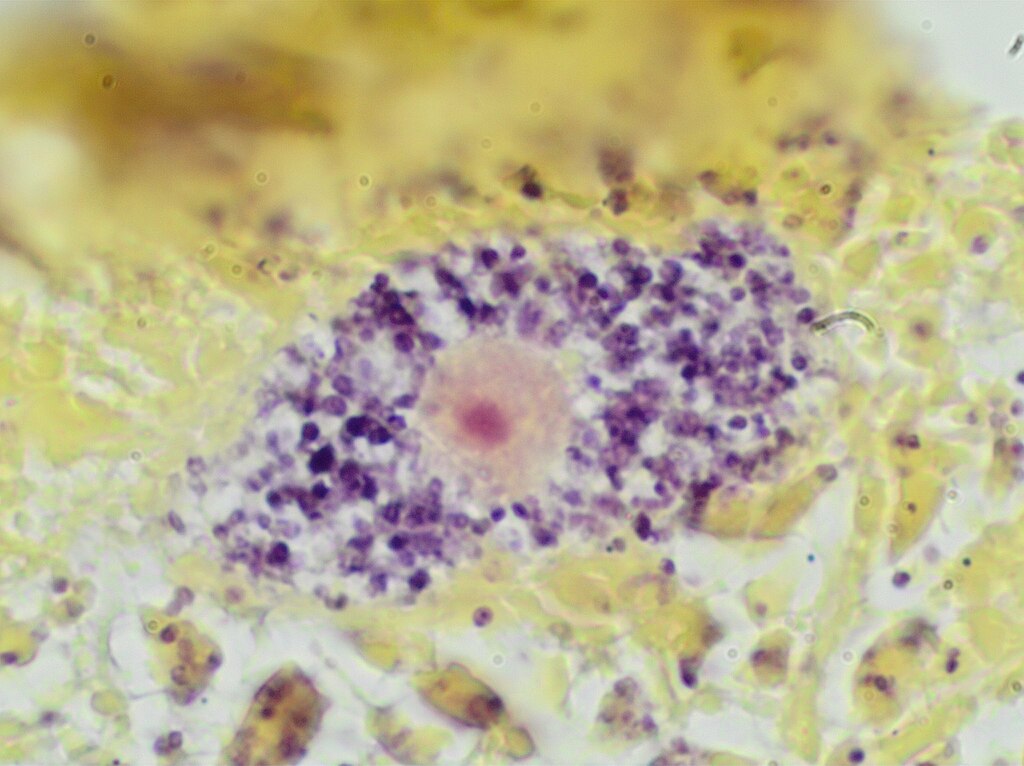
- Staphylococcus aureus is a common Gram-positive round-shaped bacterium that is a member of the Firmicutes.
- S. aureus is usually part of the human body’s microbiome however, it causes a wide range of illnesses which includes skin infections, food poisoning, and bone/joint infections.[2]
- S. aureus is the primary cause of bacterial endocarditis and the second most frequent agent of bloodstream infections.
- Bacterial endocarditis is a bacterial infection of the inner layer of the heart.[3]
- Immune cells such as neutrophils and macrophages are capable of combating bacterial pathogens.
- Neutrophils and macrophages are important to the innate immune response.
- However, cooperative mechanisms used by neutrophils and macrophages to combat extracellular pathogens are not well understood.
- During infection, neutrophils engulf S. aureus and then initiates bacterial elimination by producing reactive oxygen species or fusing granules containing antimicrobial compounds to the engulfed bacteria.
- Additionally, neutrophils fight extracellular pathogens by producing extracellular “nets” consisting of DNA that can bind and trap pathogens.
- The production of extracellular “nets” by neutrophils is called netosis.
- Researchers discovered that S100A9-deficient neutrophils produce high levels of mitochondrial superoxide in response to S. aureus resulting in the formation of extracellular “nets”.
- Increased suicidal netosis does not improve neutrophil killing of S. aureus in isolation but improves macrophage killing.
- The “net” formation improves antibacterial activity with better engulfment capabilities of macrophages and transferring neutrophil-specific antimicrobial compounds to them.
- Researchers observed similar results in response to other bacterial pathogens such as Streptococcus pneumoniae and Pseudomonas aeruginosa.
- The findings suggest that achieving maximum antibacterial activity through these “net” formations requires macrophages.
- Accelerated and more robust suicidal netosis makes neutrophils proficient at increasing antibacterial activity, especially when A9 deficient.
Sources:
https://www.science.org/doi/10.1126/sciadv.abj2101
[2] https://en.wikipedia.org/wiki/Staphylococcus_aureus
Advertisements
Advertisements
AI Disclosure Statement:
The Chromoscience uses AI-assisted tools to support the preparation and editing of science articles. Content is reviewed by the editor for clarity and consistency with the cited research before publication. Readers are encouraged to consult the original scientific publications for complete findings, methods, and limitations.



