

Related Topics

A number of health problems, such as a decrease in fertility, developmental delays in children, and an increased risk of some malignancies and cardiovascular disorders, have been shown to be associated with the presence of PFAS.
Researchers at the University of Cambridge have discovered a family of bacterial species that are naturally present in the human gut and have the ability to take in a variety of PFAS compounds from their environment. Nine of these bacterial species were delivered into the stomachs of mice in order to ‘humanize’ the mouse microbiome. The bacteria quickly accumulated PFAS that the mice consumed, which were subsequently expelled from the mice through their feces.
Additionally, the researchers discovered that the bacteria worked harder to remove the same percentage of the toxic substances when the mice were subjected to higher amounts of PFAS. As soon as they were exposed to the PFAS, the bacterial species that were examined absorbed between 25 and 74 percent of the substance.
These findings represent the first indication that our gut microbiome may play a beneficial role in the elimination of hazardous PFAS compounds from our bodies; however, this hypothesis has not yet been tested in humans in a direct manner.
Using this discovery, the researchers intend to develop probiotic supplements that will increase the amounts of these beneficial microorganisms in our guts. This will serve as a defense mechanism against the harmful effects of PFAS.
Modern society can’t avoid PFAS (perfluoroalkyl and polyfluoroalkyl substances). These heat-, water-, oil-, and grease-resistant compounds are found in waterproof clothes, non-stick pans, lipsticks, and food packaging. They take thousands of years to break down, so they accumulate in the environment and in our bodies.
Researchers said it’s troubling to see how minimal is being done to remove PFAS ‘forever chemicals,’ particularly their health implications.
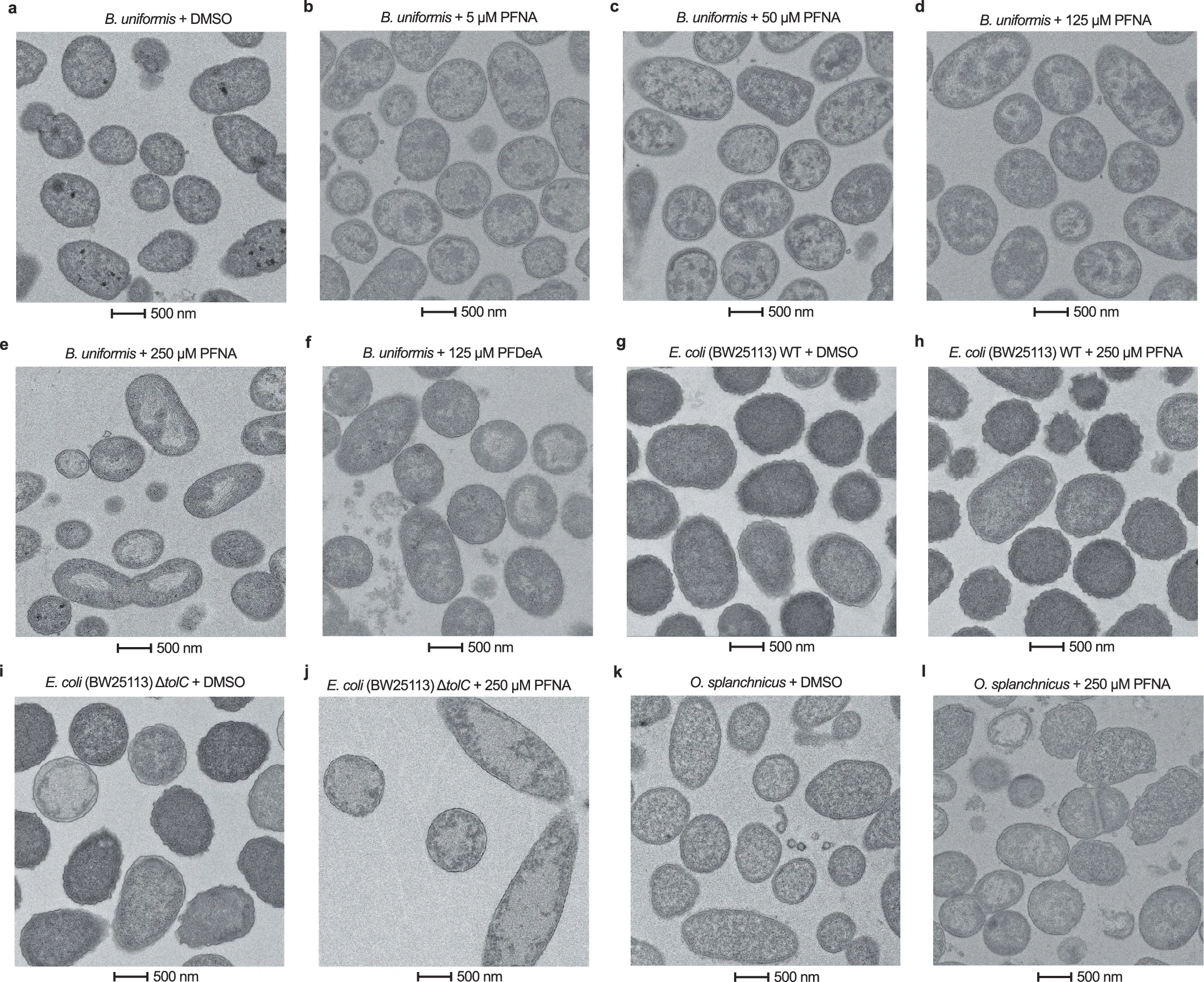
They found some species of human gut bacteria may absorb PFAS from their environment at various amounts and store it in clumps inside their cells. These clumps of PFAS protect bacteria against toxicity.
PFAS are already in our surroundings and in our bodies, so we must limit their health effects now, according to the experts. While they haven’t identified a means to eliminate PFAS, their discoveries suggest strategies to remove them from the body, where they’re most harmful.
The UK began a parliamentary study into PFAS hazards and regulation in April 2025 due to growing concerns about its environmental and health implications.
Over 4,700 PFAS compounds are abundant. Some are eliminated in urine in days, but others with longer chemical structures might stay in the body for years.
PFAS are so prevalent that they’re in everyone’s water and food, according to the study.
Once safe, PFAS are now harmful. Because PFAS aren’t severely harmful at low doses, they took a while to be detected; h owever, they poison slowly.
One company has developed probiotics that eliminate PFAS from the body and is studying ways to boost their performance.
Until new probiotics are available, the researchers recommend avoiding PFAS-coated frying pans and using a good water filter.
Sources:
Human gut bacteria bioaccumulate per- and polyfluoroalkyl substances, Nature Microbiology. DOI: 10.1038/s41564-025-02032-5
Certain species of microbe found in the human gut can absorb PFAS. https://phys.org/news/2025-06-species-microbe-human-gut-absorb.html
AI Disclosure Statement:
The Chromoscience uses AI-assisted tools to support the preparation and editing of science articles. Content is reviewed by the editor for clarity and consistency with the cited research before publication. Readers are encouraged to consult the original scientific publications for complete findings, methods, and limitations.



