

Related Topics

The WHO estimates that mosquito-borne illnesses kill over 700,000 people annually and these disease-transmitting mosquitoes are hard to eradicate. The majority of species are resistant to all primary synthetic pesticide classes, many of which pose environmental and health hazards.
Biopesticides developed from living organisms may reduce chemical insecticide resistance and be ecologically beneficial.
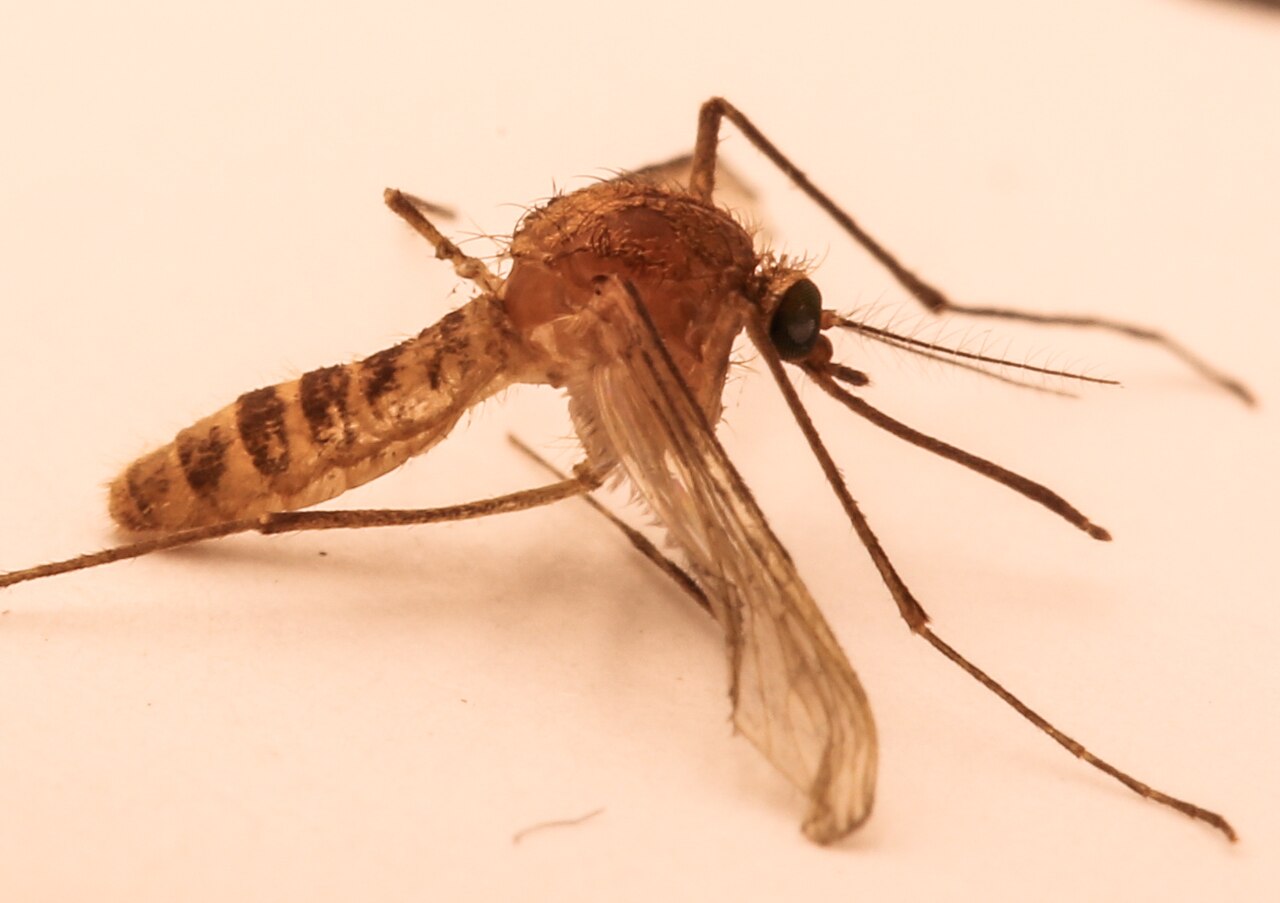
Applied and Environmental Microbiology reports that Crete island-derived bacterial isolates kill Culex pipiens molestus mosquitoes, which can spread West Nile and Rift Valley Fever viruses.
Three isolate metabolites eliminated 100% of mosquito larvae in 24 hours in lab experiments.
Biopesticides with minimal adverse effects on the environment may be developed using such metabolites, experts said.
These biopesticides breakdown faster and don’t accumulate, and they don’t kill as many insect species as chemical insecticides.
In the past 15 years, the research team has uncovered microorganisms which produce compounds that prevent malaria and dengue viruses, and bacteria that eliminate mosquitoes.
In the MicroBioPest project, they’ve been studying Mediterranean mosquito-killing bacteria.
They took 186 samples from 65 Crete locales for the current study. The samples contained topsoil, root soil, plant tissues, water, and dead insects.
Then, they subjected C. pipiens molestus larvae to water formulations carrying the most effective isolates. More than 100 isolates eliminated all mosquito larvae in seven days, and 37 in three days.
Many of the 37 isolates’ 20 genera have not been recognized as biopesticides, the researchers added.
Further investigation indicated that the rapid-acting bacteria destroyed larvae by producing proteins and metabolites.
Using these bacteria as insecticides would not need the microbes to survive, which is encouraging. The findings impact the control of mosquitoes and safe biopesticides for agricultural pests.
These insecticidal compounds are now being studied to see if they are proteins or metabolites. The isolates are being tested against different pathogen-bearing mosquitoes and agricultural pest insects to determine the bacteria’s pesticidal range.
According to the researchers, biopesticides degrade fast and require many applications, making formulation and delivery difficult. The latest study comprises the discovery phase.
The next step is fundamental science to understand molecules’ chemical structures and ways of action, then prototype product development.
Sources:
Applied and Environmental Microbiology (2025). doi.org/10.1128/aem.00966-25
Mediterranean bacteria may harbor new mosquito solution. https://phys.org/news/2025-07-mediterranean-bacteria-harbor-mosquito-solution.html
AI Disclosure Statement:
The Chromoscience uses AI-assisted tools to support the preparation and editing of science articles. Content is reviewed by the editor for clarity and consistency with the cited research before publication. Readers are encouraged to consult the original scientific publications for complete findings, methods, and limitations.



