

Related Topics

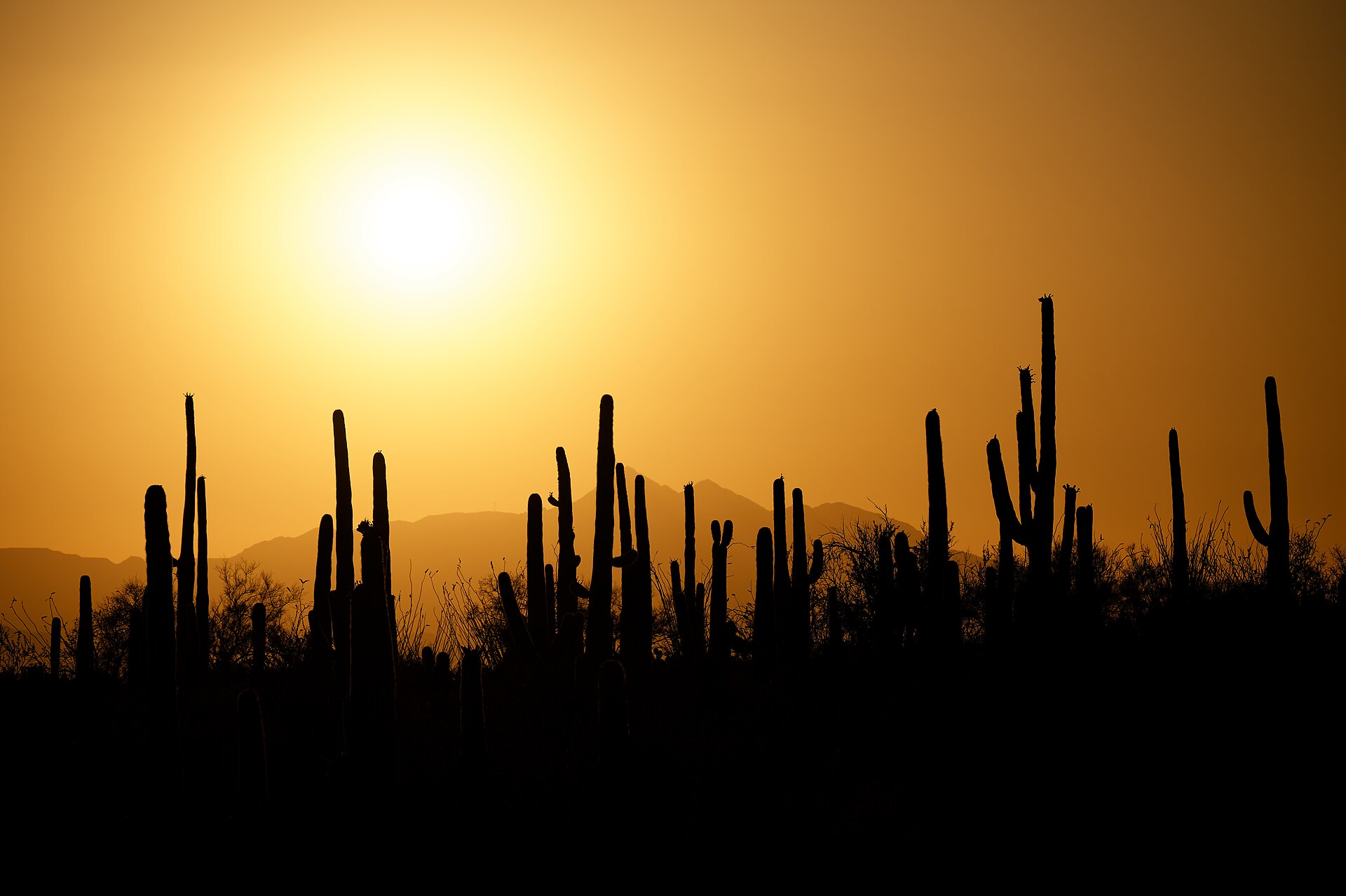
Cacti are famous for surviving in some of the driest environments on Earth. Their thick stems store water, while their spines and other special features help them conserve moisture. However, a new study published in Nature reveals that even these drought-resistant plants may struggle to survive as temperatures rise and severe droughts become more common. Researchers led by Michiel D. Pillet of the University of Arizona found that extreme drought could significantly reduce the areas where many cactus species can survive. Their findings suggest that being adapted to dry environments does not necessarily protect plants from increasingly extreme environmental conditions.
To understand these threats, researchers examined 993 cactus species using more than 648,000 records of where these plants occur. They combined this information with computer models that predict how environmental conditions may change in the future. Unlike many previous studies that mainly considered average temperatures and rainfall, this research also included severe drought and the effects of higher temperatures. The researchers found that models including extreme drought performed better in 91% of comparisons. This suggests that studying average climate conditions alone may underestimate the challenges that plants face in a warming world.
The results revealed a concerning future for cactus diversity. When severe drought was included in the models, approximately 69% to 72% of the studied cactus species were projected to lose some of their suitable climatic areas, compared with 58% to 61% when drought extremes were excluded. Even more concerning, about 25% to 35% of species could lose more than 80% of their suitable climatic areas under the scenarios examined. The situation could become worse for species that cannot spread to new locations. When researchers assumed that cacti could not expand their ranges, the proportion projected to lose suitable climatic areas increased to 84% to 85%. These findings do not mean that all affected species will become extinct, but they indicate that many could face greater extinction risks as their suitable environments shrink.
This research highlights the importance of protecting desert ecosystems, which are often mistakenly viewed as being naturally resistant to environmental change. Cacti provide food, shelter, and other resources for wildlife, including birds, insects, and mammals. Their decline could therefore affect other organisms that depend on them. The study also demonstrates why scientists need to include extreme weather events when predicting future biodiversity changes. Although the findings are based on computer projections rather than observations of future extinctions, they provide valuable information for conservation planning. Protecting existing cactus habitats, reducing other human pressures, and identifying areas where species may survive could help preserve these remarkable plants. Ultimately, the research reminds us that even organisms highly adapted to harsh conditions have environmental limits.
Reference
Pillet, M. D., Maitner, B. S., Arakaki, M., et al. (2026). Severe drought and warming increase the extinction risk of cacti. Nature. https://doi.org/10.1038/s41586-026-11265-1
AI Disclosure Statement:
The Chromoscience uses AI-assisted tools to support the preparation and editing of science articles. Content is reviewed by the editor for clarity and consistency with the cited research before publication. Readers are encouraged to consult the original scientific publications for complete findings, methods, and limitations.


Leave a Reply