
Related Topics

A Monash University-led research team discovered that a virus previously regarded to be a “mere curiosity” is abundant in one common bacteria and perhaps others.
The discovery advances our understanding of how viruses work and may indicate that this specific virus is also found in other types of bacteria.
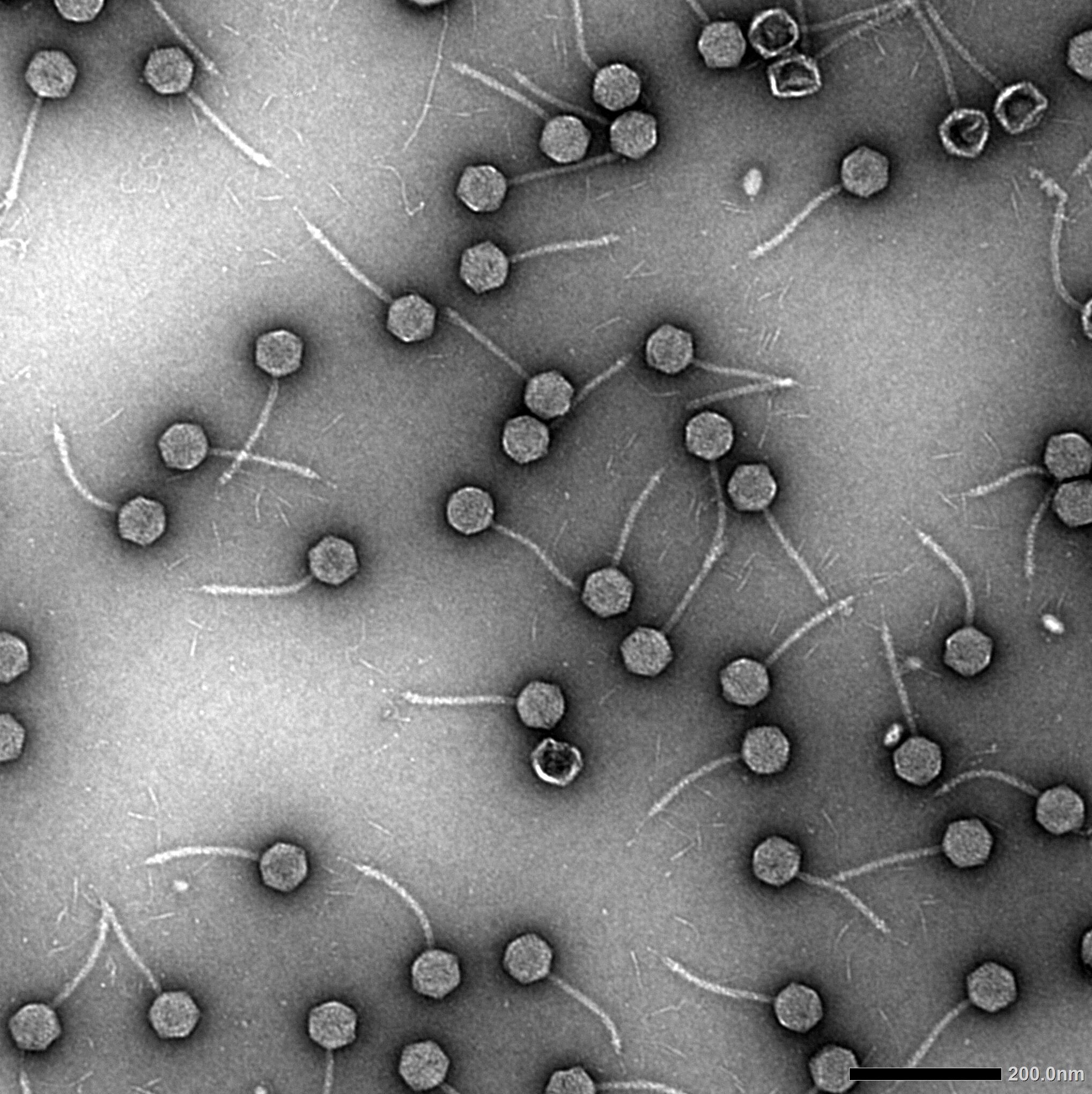
The study, published in Science Advances, focused on bacteriophages (phages), which are viruses that attack bacteria and can take different forms.
Researchers focused on telomere phages, a type of phage that had previously been regarded a curiosity. Only their distinctive DNA replication process had been investigated.
According to the researchers, no one knew if telomere phages helped or harmed their host cells.
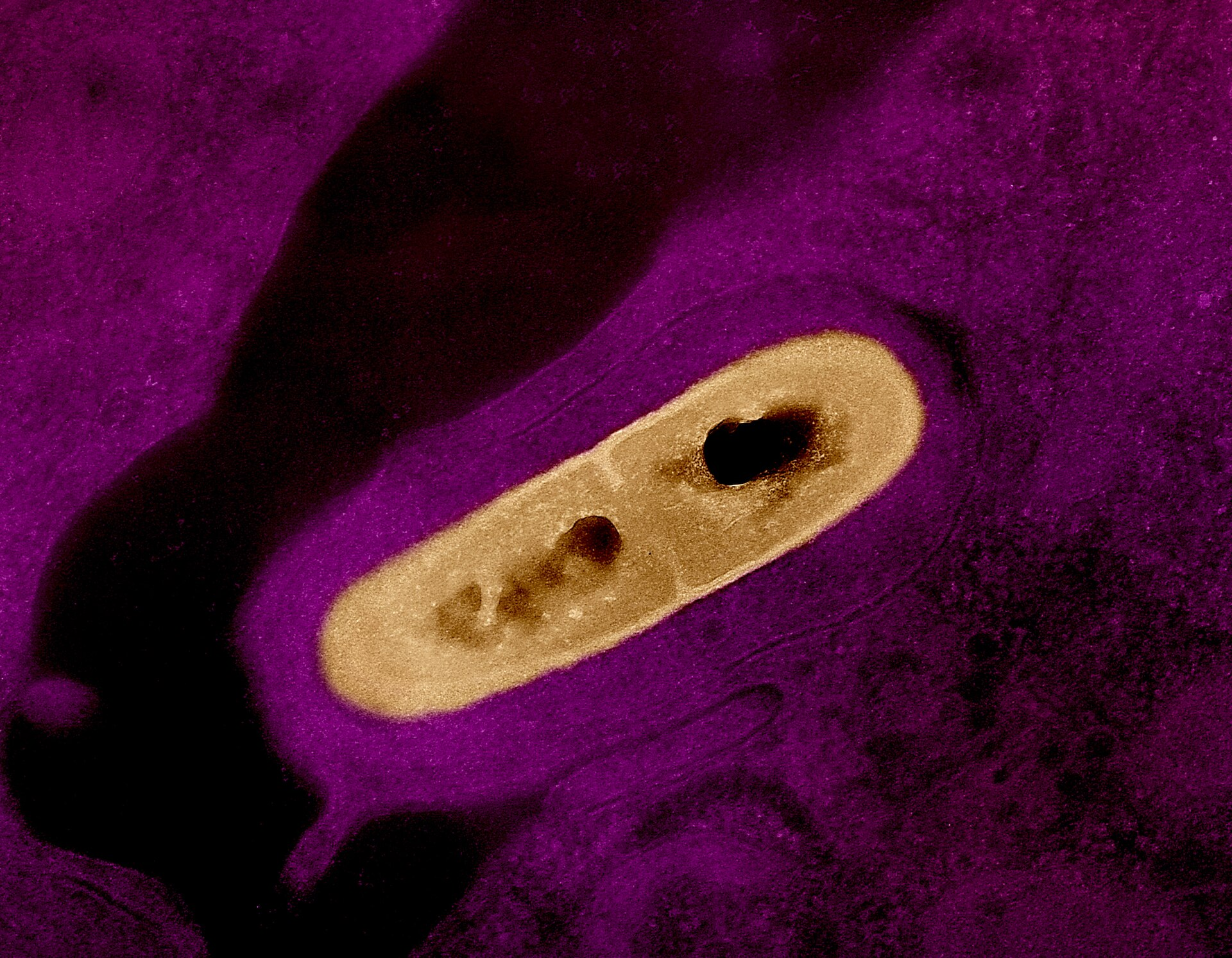
They stated that the research, which sequenced a Klebsiella bacteria strain linked to pneumonia, discovered that telomere phages were abundant.
Telomere phages had been hiding in plain sight for over 20 years of intensive bacterial genomics research. Researchers overlooked an entire element of life.
Surprisingly, when researchers sequenced a clinical Klebsiella strain and discovered a fourth telomere phage, the sequence analysis revealed that telomere phages are extremely common across thousands of Klebsiella lineages, including strains obtained from waterway locations.
The discovery of toxins known as ‘telocins’ (telomere-phage toxins) has the potential to be used as a bacterial management strategy: ‘good’ bacteria containing telomere phages will eliminate nearby ‘bad’ Klebsiella. Antibiotic-resistant Klebsiella is a good example of ‘bad’ bacteria.
They emphasized the importance of the work since it will provide insight into a previously unexplored aspect of bacterial life.
The discovery that telomere phages are so common implies that they represent a selective factor, one that we know nothing about. They now want to know how the host secretes the toxic substance and how the toxin finds its way into unwary bacterial companions.
While all of the research has been done on Klebsiella, experts believe that undiscovered telomere phages may be found in other bacteria species as well.
Sources:
Sally Byers et al. (2025). Telomere bacteriophages are widespread and equip their bacterial hosts with potent inter-bacterial weapons., Science Advances. DOI: 10.1126/sciadv.adt1627. www.science.org/doi/10.1126/sciadv.adt1627
https://phys.org/news/2025-04-plain-sight-uncover-prevalence-curiosity.html
AI Disclosure Statement:
The Chromoscience uses AI-assisted tools to support the preparation and editing of science articles. Content is reviewed by the editor for clarity and consistency with the cited research before publication. Readers are encouraged to consult the original scientific publications for complete findings, methods, and limitations.