

Related Topics

Published in Cell Reports, Northwestern Medicine researchers have found new data on how poxviruses control host cells to increase their own production of protein.
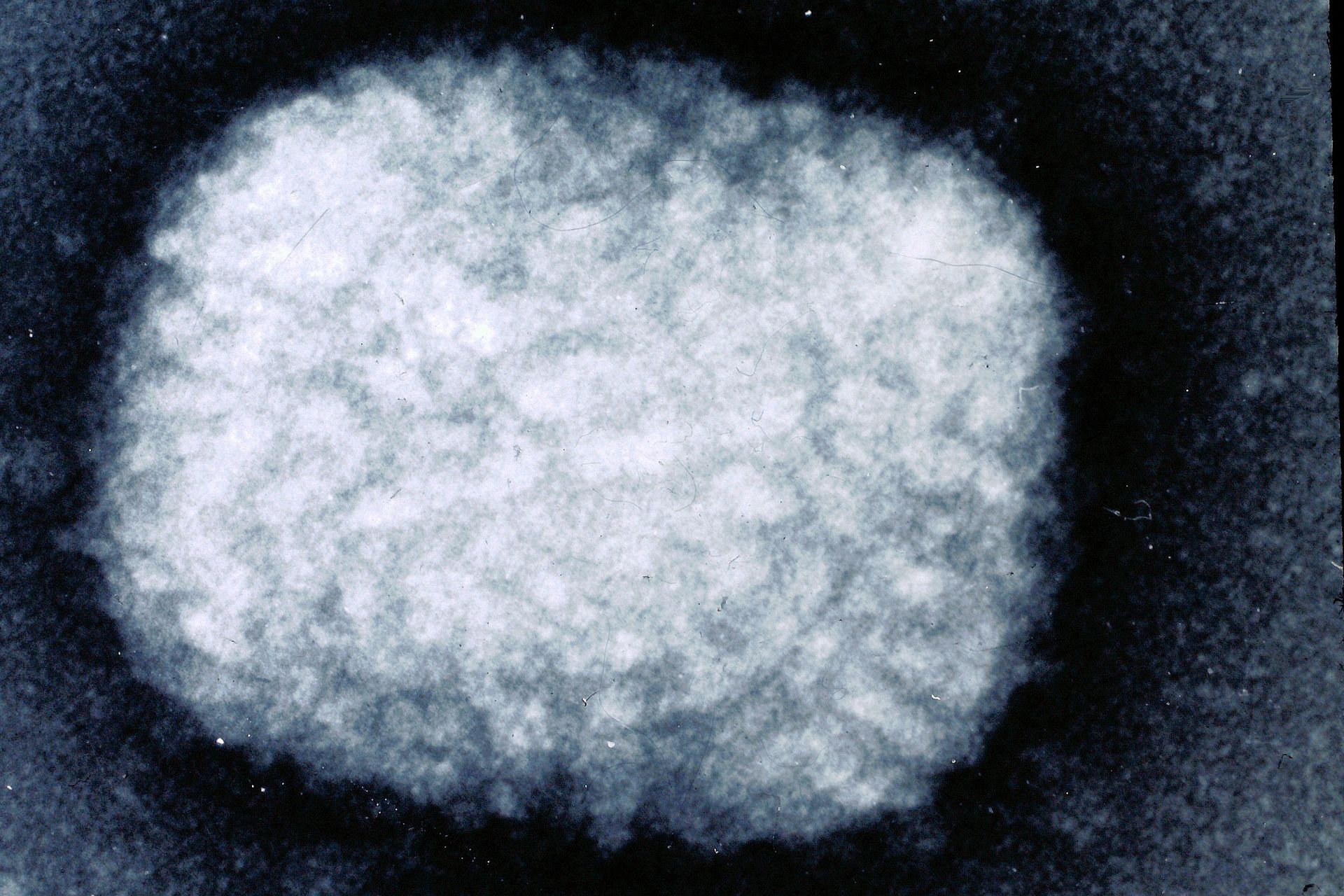
Poxviruses are a group of large, double-stranded DNA viruses that infect both humans and animals. This group includes variola virus (smallpox), monkeypox virus, and others. These viruses are unique in that they generate huge DNA-filled replication compartments and proliferate totally in the cytoplasm of host cells. As it develops, the virus creates almost 100 immunomodulatory proteins to avoid antiviral response mechanisms in its host.
Although earlier studies conducted in the Microbiology-Immunology lab of Derek Walsh, Ph.D., revealed how poxviruses generate proteins to fight host immune responses, little is known about how the viruses seize host ribosomes to produce viral proteins.
A large macromolecular machine known as ribosomes is capable of decoding mRNA into protein with precision and speed. They have long been seen as sort of “dumb code-reading machinery, lacking specific function in regulating translational specification.
But it’s becoming evident that ribosomes can vary in terms of structure and function either by alterations after translation to ribosomal subunit proteins, changes in their subunit composition, or both.
Researchers tracked ribosomal subunit proteins (RPs) during poxvirus infection using quantitative proteomics and cryoelectron microscopy in this study. They discovered that poxviruses do not change the composition of ribosomal subunit proteins (RPs). But the infection did change the fundamental molecular structure of the ribosome, which enhanced poxvirus protein translation.
Two important RPs—RACK1 and RPLP2—as regulators of late poxvirus mRNA translation were found by genetic knockout screens coupled with metabolic studies.
As observed, the RP composition remains constant, but the structural organization of the 40S head domain undergoes a change as a result of the phosphorylation of proteins like RACK1.
Furthermore shown by CRISPR knockout screening is another ribosomal protein, RPLP2, which is vital beyond RACK1. A component of an unusual extension to the ribosome known as the P-stalk, RPLP2 reveals its function in translation.
The results taken together shed new perspectives on the complex processes by which poxviruses control host cells to increase their own protein synthesis.
The Walsh lab will keep researching precisely how RPLP2 works going forward to better comprehend how poxviruses modify ribosomes to their own requirements.
It is truly captivating that even the tiniest modifications have such a significant effect. Particularly with something like the disregarded ribosome. Scientists have a great deal to learn from viruses in terms of biology, as they are smart.
Sources:
Natalia Khalatyan et al. (2025). Ribosome customization and functional diversification among P-stalk proteins regulate late poxvirus protein synthesis, Cell Reports. DOI: 10.1016/j.celrep.2024.115119
https://phys.org/news/2025-01-hijacking-ribosome-insights-poxviruses-boost.html
AI Disclosure Statement:
The Chromoscience uses AI-assisted tools to support the preparation and editing of science articles. Content is reviewed by the editor for clarity and consistency with the cited research before publication. Readers are encouraged to consult the original scientific publications for complete findings, methods, and limitations.



