
Related Topics

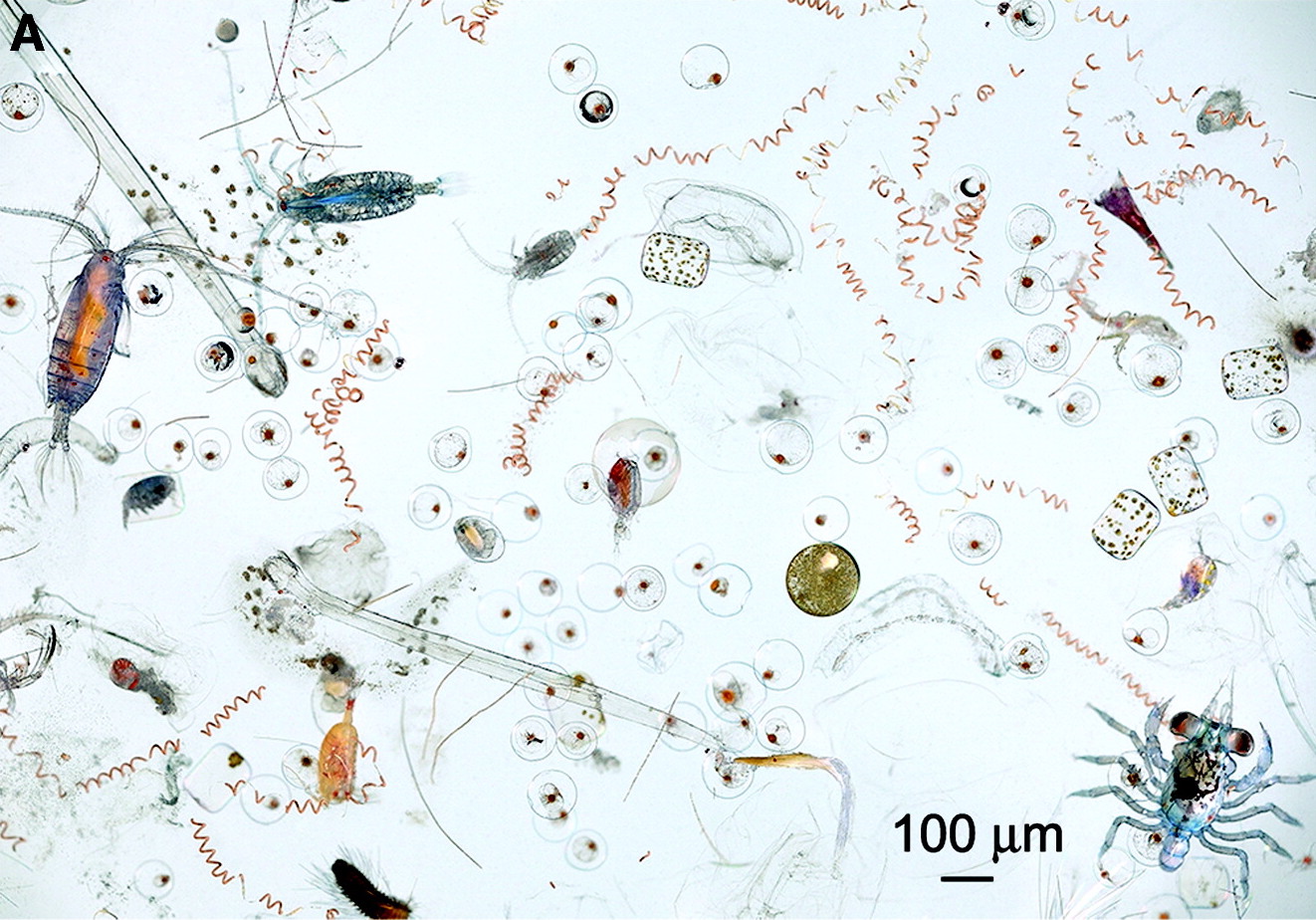
Plankton are microscopic yet vital to the ocean. They store carbon and maintain ocean food webs, regulating the climate of the Earth. A global study shows how plankton adapt to environmental changes in the ocean.
In 2022, WHOI published enormous datasets of large-scale distributions of plankton-derived lipids in the ocean. The University of Bremen Center for Marine Environmental Sciences and WHOI reanalyzed them. This study validates open science. The researchers found hidden plankton adaptation patterns using novel methodologies on open-access data.
Over 200 GB of mass spectrometry data show lipid profiles—key elements in cell membranes—from 930 samples taken from the Atlantic, Pacific, and Arctic oceans at depths of up to 400 meters. This study used network analysis to include unknown lipids, letting the data speak for itself. This method provided a more complete and less biased assessment of marine plankton lipid diversity.
The investigation demonstrated that plankton lipid patterns are highly linked to their environment. Cold polar and subpolar oceans have the most lipid diversity because plankton adopt additional strategies to maintain their cell membranes fluid, such as shortening fatty acid chains. The scientists found lipid distribution changes in warmer open oceans, likely due to poor nutrition supply. Plankton produced more unsaturated fatty acids in deeper seas, possibly in reaction to reduced light.
Plankton communities respond to their surroundings through lipid changes. Plankton, especially phytoplankton, form the foundation of ocean ecosystems, therefore their actions can affect the entire marine food chain and have unforeseen implications.
This study shows how environmental lipidomics and data science can reveal plankton adaption processes, revealing marine ecosystem functions.
Sources:
Unraveling plankton adaptation in global oceans through the untargeted analysis of lipidomes, Science Advances. DOI: 10.1126/sciadv.ads4605
Plankton adapt cell membrane chemistry to temperature, nutrients, and light in global oceans. https://phys.org/news/2025-05-plankton-cell-membrane-chemistry-temperature.html
AI Disclosure Statement:
The Chromoscience uses AI-assisted tools to support the preparation and editing of science articles. Content is reviewed by the editor for clarity and consistency with the cited research before publication. Readers are encouraged to consult the original scientific publications for complete findings, methods, and limitations.