
Related Topics

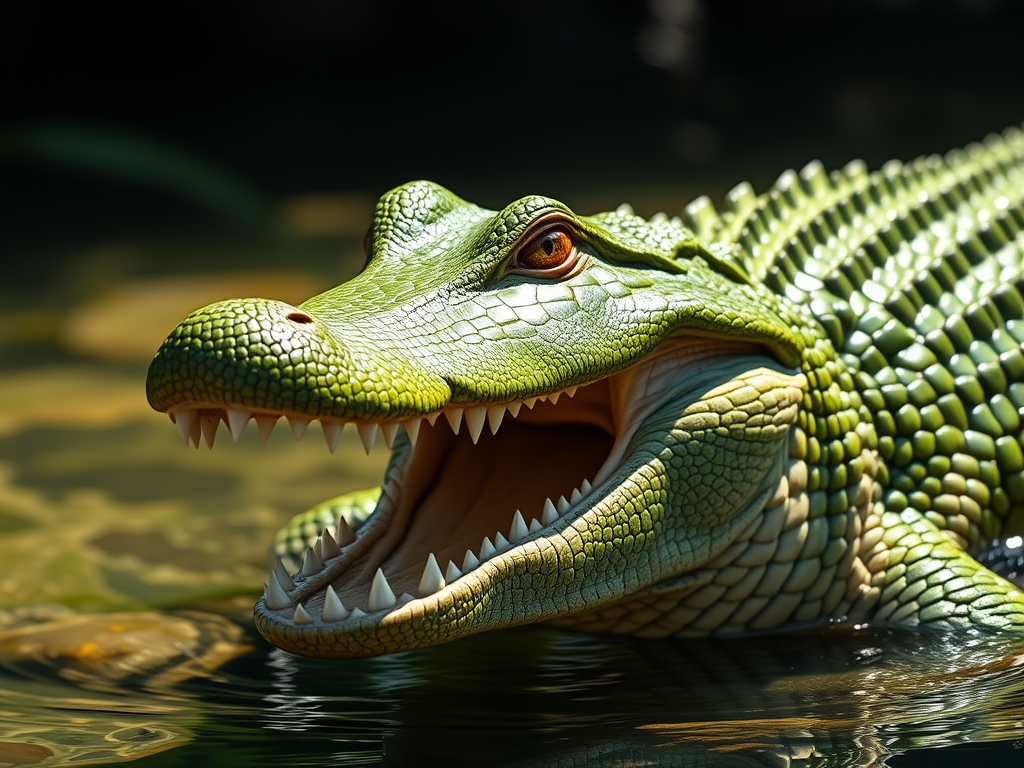
McGill University and Mexican scientists identified two new crocodile species on Cozumel and Banco Chinchorro, both situated on the Yucatán Peninsula.
The researchers claim the findings challenging long-held notions about the American crocodile (Crocodylus acutus) and emphasize its importance for conservation. The study appears in Molecular Phylogenetics and Evolution.
We’re losing biodiversity quicker than we realize. Since most crocodile species are vulnerable, rapid shoreline development threatens most populations. The study sought to understand these remote islands’ crocodile diversity.
The researchers examined Cozumel and Banco Chinchorro crocodile genetics. Comparing these genomes to those of Caribbean, Central America, and Mexico’s Pacific coast crocodiles, scientists observed substantial genetic difference, indicating that these populations were not merely different types of Crocodylus acutus. The two new species are still unnamed.
These were completely unexpected findings. Researchers believed Crocodylus acutus was a single species spanning Baja California to Venezuela and the Caribbean. It is the first to extensively analyze genetic and anatomical variation in these species.
This discovery has major conservation implications, researchers added. The newly discovered species exist in isolated communities of less than 1,000 breeding members. Although stable, both populations are threatened due to habitat constraints as well as small in numbers.
To slow biodiversity loss, researchers must identify which species are most at danger. After experts identified these crocodiles as a species, their habitats must be protected. Preserving Cozumel and Banco Chinchorro requires limiting land development and careful protection.
Sources:
Jose Avila-Cervantes et al. (2025). Novel island species elucidate a species complex of Neotropical crocodiles, Molecular Phylogenetics and Evolution. DOI: 10.1016/j.ympev.2025.108341
Researchers identify two new crocodile species. Phys.org.
https://phys.org/news/2025-04-crocodile-species.html
AI Disclosure Statement:
The Chromoscience uses AI-assisted tools to support the preparation and editing of science articles. Content is reviewed by the editor for clarity and consistency with the cited research before publication. Readers are encouraged to consult the original scientific publications for complete findings, methods, and limitations.