
Related Topics

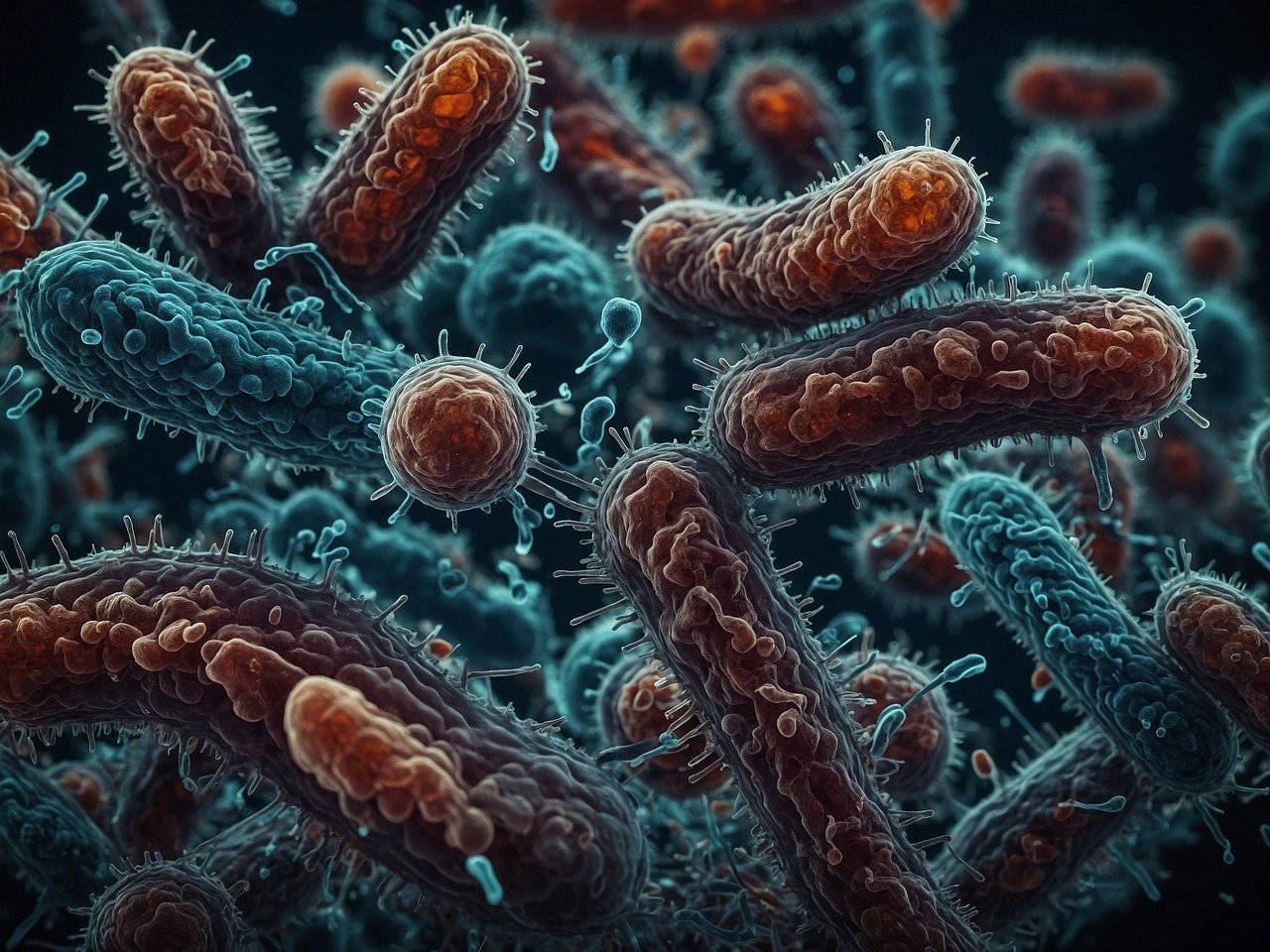
Extreme circumstances must be tolerated by microbes employed in medical, agricultural, or other purposes; ideally, the manufacturing procedures used to create tablets should allow for long-term preservation. Researchers at MIT have now created a novel method for strengthening microorganisms to tolerate these harsh environments.
Their process is combining bacteria with chemicals for food and medication that are on a list of substances that the FDA considers to be “generally regarded as safe.” The scientists discovered formulations that support the stabilization of a variety of microorganisms, such as bacteria and yeast, and they demonstrated that these formulations could endure harsh industrial processing, high temperatures, and radiation—all of which can harm unprotected microbes.
In an even more severe test, Space Center Houston Manager of Science and Research Phyllis Friello organized a trip for some of the microbes to visit the International Space Station, and now the researchers are evaluating how well the microbes survived that environment.
The goal of this study was to stabilize living things under harsh circumstances. A wide range of applications, including human uses, agricultural applications, and space missions, were seriously considered by the researchers.
Sources:
Synthetic extremophiles via species-specific formulations improve microbial therapeutics, Nature Materials (2024). DOI: 10.1038/s41563-024-01937-6
https://phys.org/news/2024-07-microbes-extreme-conditions.html
AI Disclosure Statement:
The Chromoscience uses AI-assisted tools to support the preparation and editing of science articles. Content is reviewed by the editor for clarity and consistency with the cited research before publication. Readers are encouraged to consult the original scientific publications for complete findings, methods, and limitations.