
Advertisements
Advertisements
Related Topics

Original Source: https://doi.org/10.1016/j.cell.2020.08.048
- The primary function of the colon is to absorb fluids.
- The colon contains a large number of microorganisms including fungi, which are elevated near the end of the segment.
- The mucous membrane of the colon must regulate fluid influx to control absorption of metabolites from fungi.
- Fungal metabolites can be toxic to epithelial cells and lead to barrier dysfunction.
- The mechanism of the fluid influx regulation is still unclear.
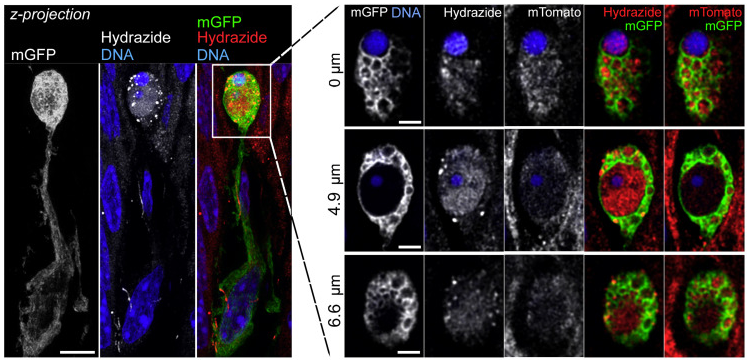
- The study describe a mechanism by which the immune system is associated with quality checking the fluid absorption to avoid intoxication of epithelial cells of the colon.
- The mechanism relies on a number of distal colon macrophages attached to the epithelium.
- If the macrophages are not present, epithelial cells keep absorbing fluids containing fungal products.
- When epithelial cells absorb fungal products, they die and the epithelial barrier losses integrity.
- The data reveal an essential role of macrophages in the maintenance of colon-microbiota interactions in homeostasis.
Source:
https://doi.org/10.1016/j.cell.2020.08.048
Advertisements
Advertisements
AI Disclosure Statement:
The Chromoscience uses AI-assisted tools to support the preparation and editing of science articles. Content is reviewed by the editor for clarity and consistency with the cited research before publication. Readers are encouraged to consult the original scientific publications for complete findings, methods, and limitations.
Keywords: how fluids in colon are filtered, what cleans fluid in colon, colon fluid filtration, colon fluid absorption regulation, regulation of fluid in colon, role of macrophages in colon