
Advertisements
Advertisements
Related Topics

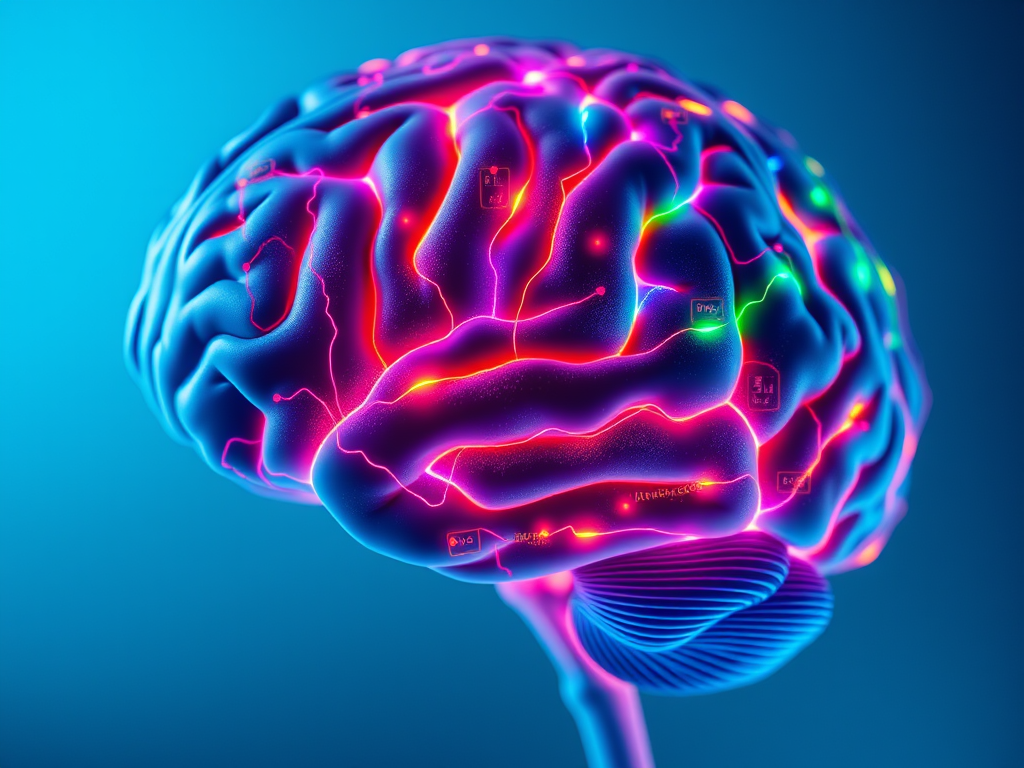
- The proper development of neuronal circuits during neuromorphogenesis and neuronal-network formation is critically dependent on a coordinated and intricate series of molecular and cellular cues and responses.
- Although the cortical actin cytoskeleton is known to play a key role in neuromorphogenesis, relatively little is known about the specific molecules important for this process.
- Using linkage analysis and whole-exome sequencing on samples from families from the Amish community of Ohio, we have demonstrated that mutations in KPTN, encoding kaptin, cause a syndrome typified by macrocephaly, neurodevelopmental delay, and seizures.
- Our immunofluorescence analyses in primary neuronal cell cultures showed that endogenous and GFP-tagged kaptin associates with dynamic actin cytoskeletal structures and that this association is lost upon introduction of the identified mutations.
- Taken together, our studies have identified kaptin alterations responsible for macrocephaly and neurodevelopmental delay and define kaptin as a molecule crucial for normal human neuromorphogenesis.
Source:
Baple, E. L., Maroofian, R., Chioza, B. A., Izadi, M., Cross, H. E., Al-Turki, S., Barwick, K., Skrzypiec, A., Pawlak, R., Wagner, K., Coblentz, R., Zainy, T., Patton, M. A., Mansour, S., Rich, P., Qualmann, B., Hurles, M. E., Kessels, M. M., & Crosby, A. H. (2014). Mutations in KPTN cause macrocephaly, neurodevelopmental delay, and seizures. American journal of human genetics, 94(1), 87–94. https://doi.org/10.1016/j.ajhg.2013.10.001
Advertisements
Advertisements
AI Disclosure Statement:
The Chromoscience uses AI-assisted tools to support the preparation and editing of science articles. Content is reviewed by the editor for clarity and consistency with the cited research before publication. Readers are encouraged to consult the original scientific publications for complete findings, methods, and limitations.