
Related Topics

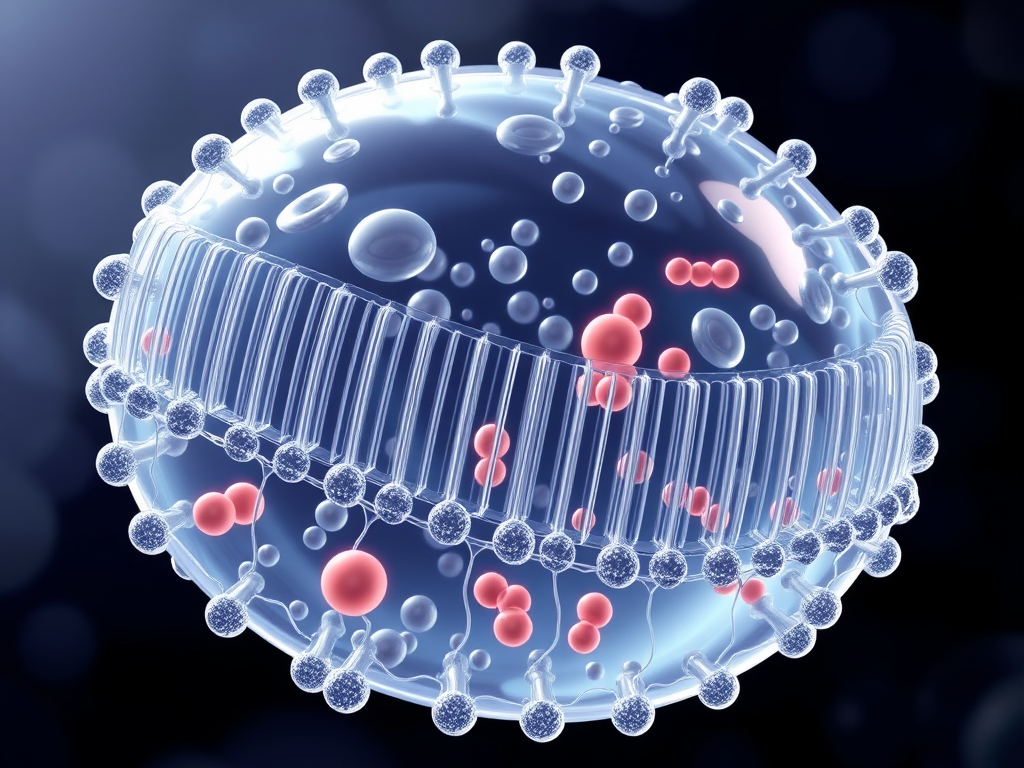
Proteins in cell membranes conceal hidden doorways that let one change cell activity. A study led by the Hospital del Mar Research Institute and published in Nature Communications has shown this.
Researchers from institutions in Spain, Switzerland, the United Kingdom, Germany, France, Poland, the Netherlands, Denmark, Hungary, Italy, Sweden, China, and the United States made up the team. The results could help to develop new drugs or enhance the mechanisms of current ones.
The results of the study are based on computer models reaching an unmatched degree of detail. At atomic level and in real time, researchers could see how membrane lipids interact with G protein-coupled receptors (GPCRs) in their natural surroundings. These interactions expose fresh methods to control cellular activities that would otherwise stay hidden.
New doorways for medications to affect proteins controlling cellular function have been found by researchers.
Since a large amount of current medications target GPCRs to function on cells, they are quite essential. Actually, 34% of FDA-approved medications are based on these receptors.
Having comprehensive information about a particular location where these drugs interact within the cell could speed up the development of targeted treatments.
Though the study presented is based on data from 190 studies encompassing 60% of known GPCRs, the work nevertheless reveals the methods these proteins utilize to control cell activity. Researchers have so far verified that beyond the known access sites, there are others only observable via computer simulations.
These newly discovered routes might be used to create innovative therapeutic therapies. The study authors say these are more particular avenues for every receptor—a more direct approach to control cell activity.
Often, it was known that a medication worked on cells but not how. These findings highlight this element of cellular dynamics and enable the identification of targets supporting the development of more exact, more selective drugs, hence lowering potential side effects. This might let us move beyond present approaches for addressing several diseases.
Sources:
David Aranda-García et al. (2025). Large scale investigation of GPCR molecular dynamics data uncovers allosteric sites and lateral gateways, Nature Communications. DOI: 10.1038/s41467-025-57034-y
https://phys.org/news/2025-03-membrane-proteins-reveal-pathways-drugs.html
AI Disclosure Statement:
The Chromoscience uses AI-assisted tools to support the preparation and editing of science articles. Content is reviewed by the editor for clarity and consistency with the cited research before publication. Readers are encouraged to consult the original scientific publications for complete findings, methods, and limitations.