

Related Topics

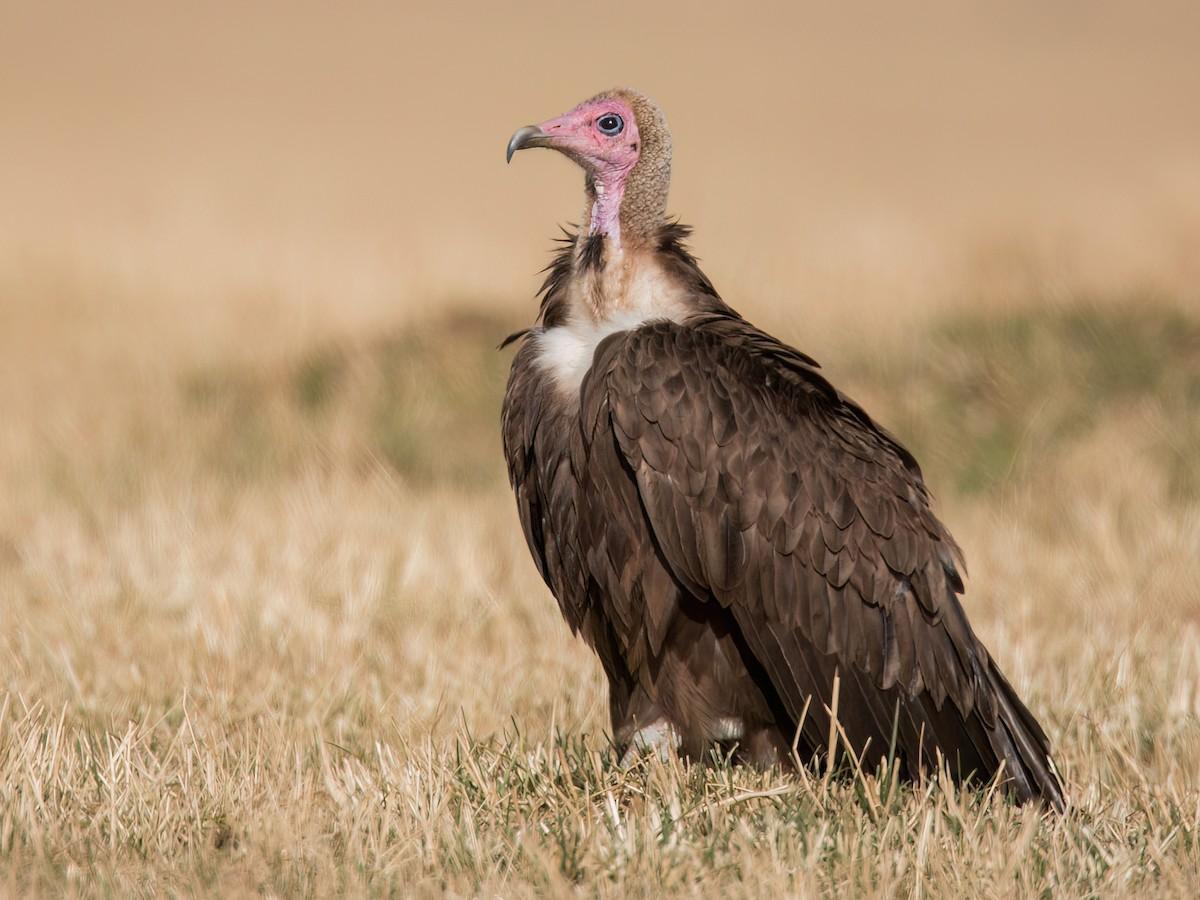
Vultures play an important role in nature because they quickly eat dead animals and help keep the environment clean. By removing carcasses, they may also reduce food available to scavengers such as feral dogs and rats, which can contribute to disease risks. However, many African vulture species have declined sharply. In this study, researchers investigated vultures around N’Djamena, the capital of Chad, to better understand how many remain, where they are found, and what threats they face. The researchers focused mainly on the critically endangered hooded vulture (Necrosyrtes monachus).
The research team surveyed 11 locations, including 10 slaughterhouses and one waste site in N’Djamena and nearby communities. They also interviewed 93 people, including local residents, butchers, livestock workers, farmers, traditional healers, and government officials. Hooded vultures were the only threatened vulture species observed during the surveys. Vultures were not seen at six of the 11 locations, meaning they appeared to be absent from more than half of the surveyed sites. Based on their observations and statistical analysis, the researchers estimated that about 113 hooded vultures were present across the study area.
The study also found clues about the types of environments where vultures may be more likely to survive. Hooded vultures were more abundant at sites with greater amounts of vegetation and less abundant in areas with higher human population densities. Interviews revealed serious conservation concerns as well. Nearly half of the people interviewed reported knowing about recent vulture poisoning incidents, while 37% said they were aware of foreign poachers reportedly using poison to capture or kill vultures for wildlife trade. These statements came from interview participants and do not by themselves confirm individual poisoning or trafficking cases, but they suggest that illegal trade could be an important threat requiring further investigation. Encouragingly, 89% of respondents knew that vultures and other birds are legally protected in Chad.
The researchers concluded that the remaining hooded vultures around N’Djamena need stronger protection and continued monitoring. They recommend more surveys across Chad, investigations into wildlife-trade networks, better enforcement of conservation laws, habitat protection, and public education about the ecological importance of vultures. Because wildlife trafficking can cross national borders, the authors also emphasize cooperation among countries in West and Central Africa. Protecting vultures is important not only for preserving endangered wildlife but also for maintaining healthy ecosystems and the natural removal of animal remains.
References
Djekadjim, D., Di Lecce, I., Chaffra, A. S., Ellis, E., Goodman, D. D. L., Soultan, A., & Arcilla, N. (2026). Abundance, distribution, and conservation status of critically endangered vultures in N’Djamena and environs, Chad, Central Africa. Frontiers in Bird Science, 5, 1726840. Frontiers in Bird Science — Full Article
BirdLife International. (2024). Tanzania scales up vulture conservation efforts. BirdLife International — Vulture Conservation
BirdLife International. (2021). Tackling vulture population declines in West Africa. BirdLife International — Vulture Declines in West Africa
AI Disclosure Statement:
The Chromoscience uses AI-assisted tools to support the preparation and editing of science articles. Content is reviewed by the editor for clarity and consistency with the cited research before publication. Readers are encouraged to consult the original scientific publications for complete findings, methods, and limitations.




Leave a Reply