

Related Topics

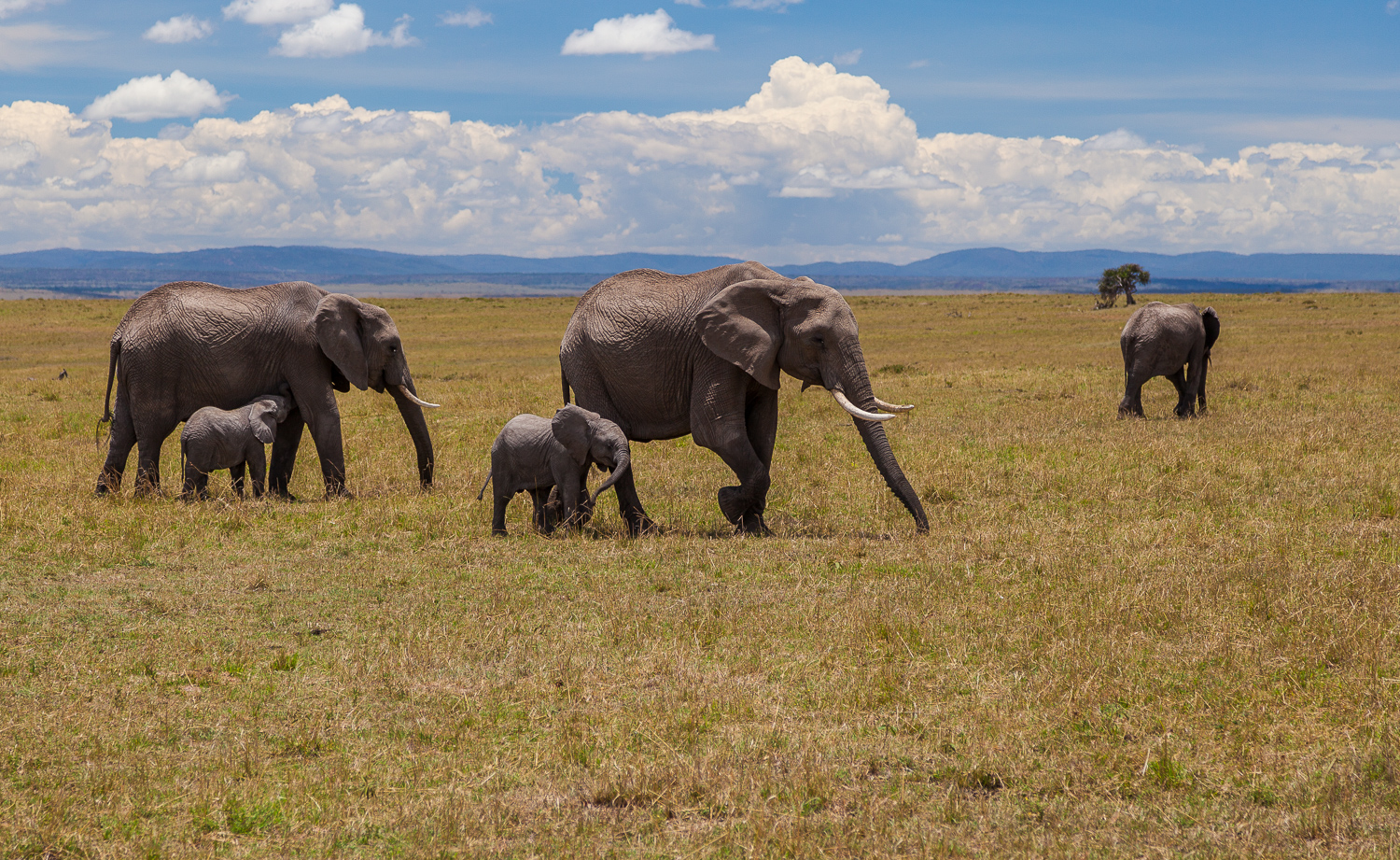
A 2026 study published in Scientific Reports suggests that African elephants living around Mount Elgon in Kenya may intentionally eat certain plants when they are sick or need health-related benefits. Researchers worked with eight experienced members of the Sabaot Indigenous community, including wildlife scouts, elders, guides, and a retired ranger. All participants had spent more than 20 years observing elephants in the region. Through detailed interviews, the researchers documented 35 plant species and four types of soils, clays, or minerals that elephants were reported to use in unusual or selective ways.
The researchers were especially interested in whether elephants might practice self-medication, a behavior known as zoopharmacognosy. Of the 39 natural resources reported in the study, 34 were also known locally for traditional human medicinal use. Local observers identified 25 plants that they believed had medicinal functions for elephants. Eight plant species showed particularly strong behavioral evidence because sick or vulnerable elephants were reportedly seen deliberately seeking or receiving them for specific health purposes. These plants included Aloe arborescens, Bersama abyssinica, Coleus barbatus, several species of Dombeya, Ficus natalensis, and Kuloa usambarensis.
Some of the most interesting reports involved mother elephants apparently giving medicinal plants to their calves. Informants described mothers combining plants such as Coleus barbatus, Ficus natalensis, and Bersama abyssinica with their milk before feeding them to young elephants. Local observers interpreted this behavior as a form of health protection or “immunization.” Other plants were reportedly eaten by elephants experiencing digestive problems or visible illness. The study also found that several of the plants identified by local observers already have documented pharmacological properties or traditional medicinal uses in humans, which strengthens the case that these plants may contain biologically active compounds.
However, the researchers emphasize that the evidence does not yet prove that elephants understand the medicinal chemistry of these plants or deliberately use them as medicine in the human sense. Much of the evidence comes from experienced local observers rather than controlled experiments or long-term physiological measurements of individual elephants. The study therefore describes the behavior as putative self-medication. Even so, the findings highlight the importance of combining Indigenous ecological knowledge with animal-behavior research. Future studies could directly observe sick elephants, chemically analyze the plants they select, and test whether consuming these plants actually improves elephant health.
Reference
Schultz, F., Clark, T. O., Powles, C., Freymann, E., Kinyanjui, R. N., Ndiema, E., Sila, J. M., Baez, K., Colson, A. J. M., Garbe, L.-A., et al. (2026). African elephants putatively self-medicate with medicinal plants in the Mount Elgon region, Kenya. Scientific Reports, 16, 28904. Scientific Reports article | DOI: 10.1038/s41598-026-53610-4
AI Disclosure Statement:
The Chromoscience uses AI-assisted tools to support the preparation and editing of science articles. Content is reviewed by the editor for clarity and consistency with the cited research before publication. Readers are encouraged to consult the original scientific publications for complete findings, methods, and limitations.



Leave a Reply