

Related Topics

Birds help ecosystems by moving and recycling nutrients that plants and other organisms need. In this paper, researchers reviewed 365 studies to understand how birds influence the chemistry of land, freshwater, and ocean environments. The paper is a systematic review of existing research, rather than a new experiment. It shows that birds’ ability to fly, their varied diets, and their high food consumption make them important carriers of nutrients between habitats.
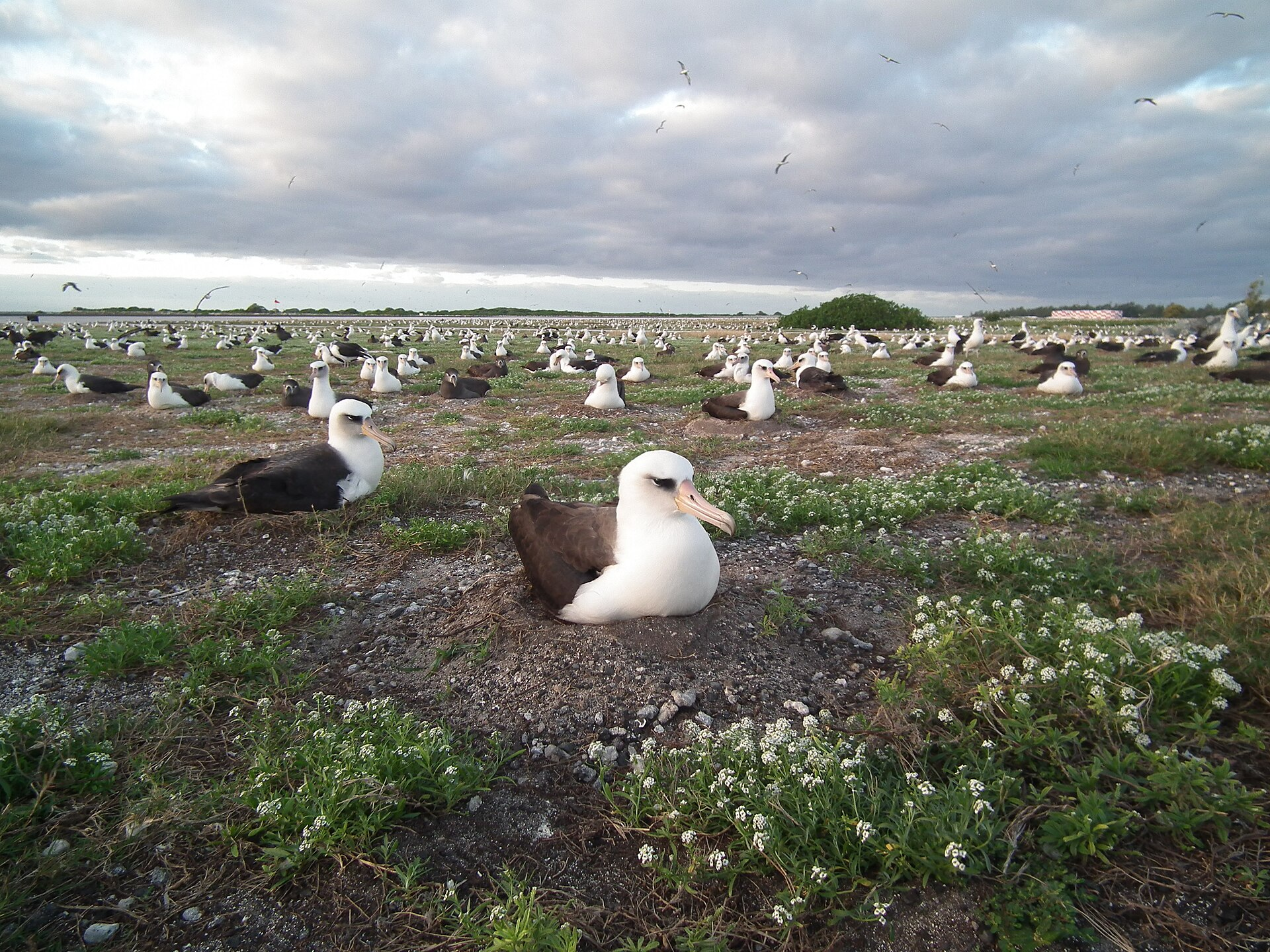
One major way birds distribute nutrients is through their droppings, often called guano. For example, seabirds eat marine animals and deposit nitrogen and phosphorus on land when they return to nest or rest. These nutrients can fertilize vegetation and reach nearby coastal ecosystems, including coral reefs and seagrass beds. Across the studies that examined plant and algae production, about 79% reported increases associated with bird nutrients. These benefits can spread through food webs by supporting organisms that other animals eat.
However, bird nutrient inputs are not always beneficial. Too much waste in one location can damage vegetation, make soil more acidic, or encourage excessive algae growth in water. Birds can also carry pollutants, such as mercury and lead, from their feeding areas to other habitats. Whether their effects help or harm an ecosystem depends on the bird species, their numbers, and local environmental conditions. The review therefore emphasizes that the same nutrient delivery process can produce very different outcomes in different places.
The authors explain that declining bird populations could weaken natural nutrient connections between ecosystems. Protecting nesting sites and restoring habitats may help preserve these functions; one study they reviewed found that artificial bird perches helped seagrass recover through guano fertilization. However, major knowledge gaps remain: only 13% of the reviewed studies focused on fully terrestrial birds, although these represent roughly 90% of bird species. More research is needed to understand how bird conservation affects ecosystem fertility, biodiversity, and carbon storage worldwide.
Reference
Duvall, E. S., Abraham, A. J., Bellvé, A., Doughty, C. E., Rodewald, A. D., Subalusky, A. L., & Flecker, A. S. (2026). Birds shape biogeochemistry and ecosystem function globally. Current Biology, 36, R1158–R1183. https://doi.org/10.1016/j.cub.2026.06.061
AI Disclosure Statement:
The Chromoscience uses AI-assisted tools to support the preparation and editing of science articles. Content is reviewed by the editor for clarity and consistency with the cited research before publication. Readers are encouraged to consult the original scientific publications for complete findings, methods, and limitations.



Leave a Reply