
Related Topics

The largest organ in the body of a human is the skin. The skin serves various functions, encompassing thermoregulation, maintenance of hydration levels, and defense against pathogenic microorganisms.
Lipids have a crucial role in the proper functioning of the skin. Disruptions to these lipids have the potential to give rise to dermatological diseases such as eczema and psoriasis. The precise mechanism by which the skin’s microbiome interacts with its lipid barrier is still not well understood, despite the fact that the lipid composition of the skin plays a crucial role in providing an antimicrobial shield.
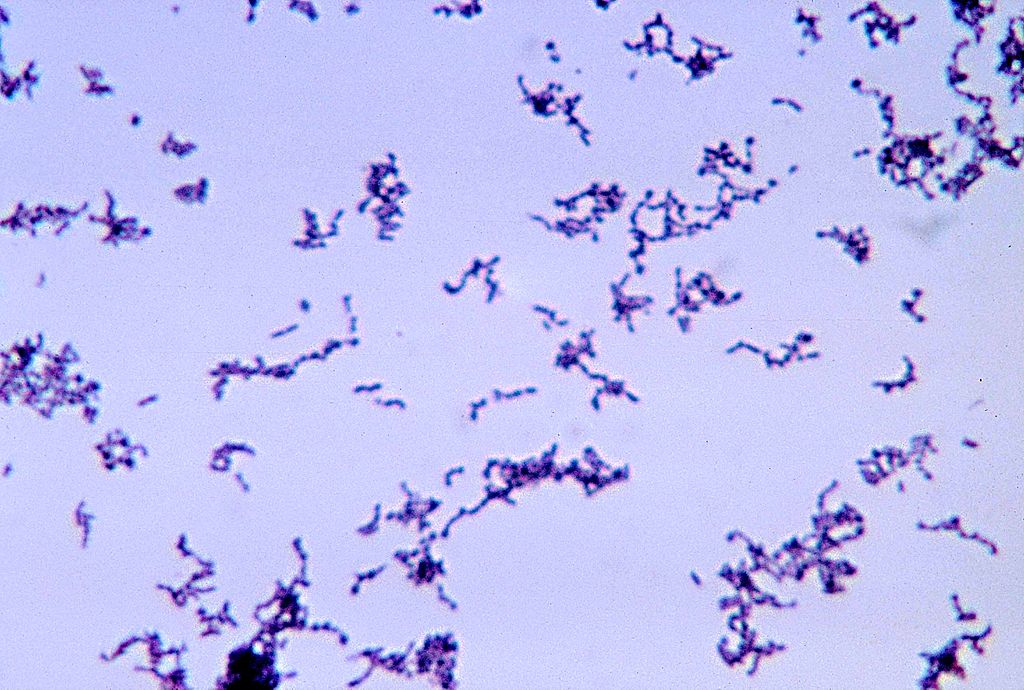
Cutibacterium acnes (C. acnes) is widely prevalent on the skin barrier and is believed to have a significant impact on the development of acne.
Nevertheless, there is evidence indicating that C. acnes might play a role in maintaining the balance of the skin barrier and preventing the growth of harmful bacteria like Staphylococcus aureus.
Meanwhile, some studies propose that C. acnes has the capability to generate short-chain fatty acids, which possess inhibitory properties against elevated amounts of Staphylococcus epidermidis. This particular bacterium is often benign when present on the skin, but can potentially induce infection upon infiltrating a human host.
Enhancing the knowledge about the impact of C. acnes on skin lipid synthesis holds potential for researchers to develop novel acne treatments and enhance the integrity of the skin barrier.
In a recent study, it was discovered by researchers that C. acnes plays a significant role in maintaining the equilibrium of the skin’s microbiome, mitigating loss of water on the skin, and enhancing its ability to withstand microbial invasion.
A common misunderstanding exists with acne vulgaris, wherein it is erroneously believed that any lipids, fats, or oils present on the human skin are detrimental and worsen the condition. This misunderstanding pertains to the bacteria known as C. acnes, which is commonly associated with the development of acne but is not typically acknowledged for its potential positive effects on human skin health.
This information clarifies that C. acnes is capable of generating chemicals that induce the production of beneficial lipids in human skin, hence maintaining its softness, moisture, and barrier functionality. This study contributes to the expanding collection of material that demonstrates the capacity of the human microbiome to function as genuine symbiotic entities, giving significant health benefits to their human hosts.
Sources:
Almoughrabie, S., Cau, L., Cavagnero, K., O’Neill, A. M., Li, F., Roso-Mares, A., Mainzer, C., Closs, B., Kolar, M. J., Williams, K. J., Bensinger, S. J., & Gallo, R. L. (2023). Commensal Cutibacterium acnes induce epidermal lipid synthesis important for skin barrier function. Science advances, 9 (33), eadg6262. https://doi.org/10.1126/sciadv.adg6262
https://www.medicalnewstoday.com/articles/could-acne-bacteria-actually-help-skin-barrier-function
AI Disclosure Statement:
The Chromoscience uses AI-assisted tools to support the preparation and editing of science articles. Content is reviewed by the editor for clarity and consistency with the cited research before publication. Readers are encouraged to consult the original scientific publications for complete findings, methods, and limitations.
Keywords: acne bacteria, skin bacteria, pimples, acne