

Related Topics

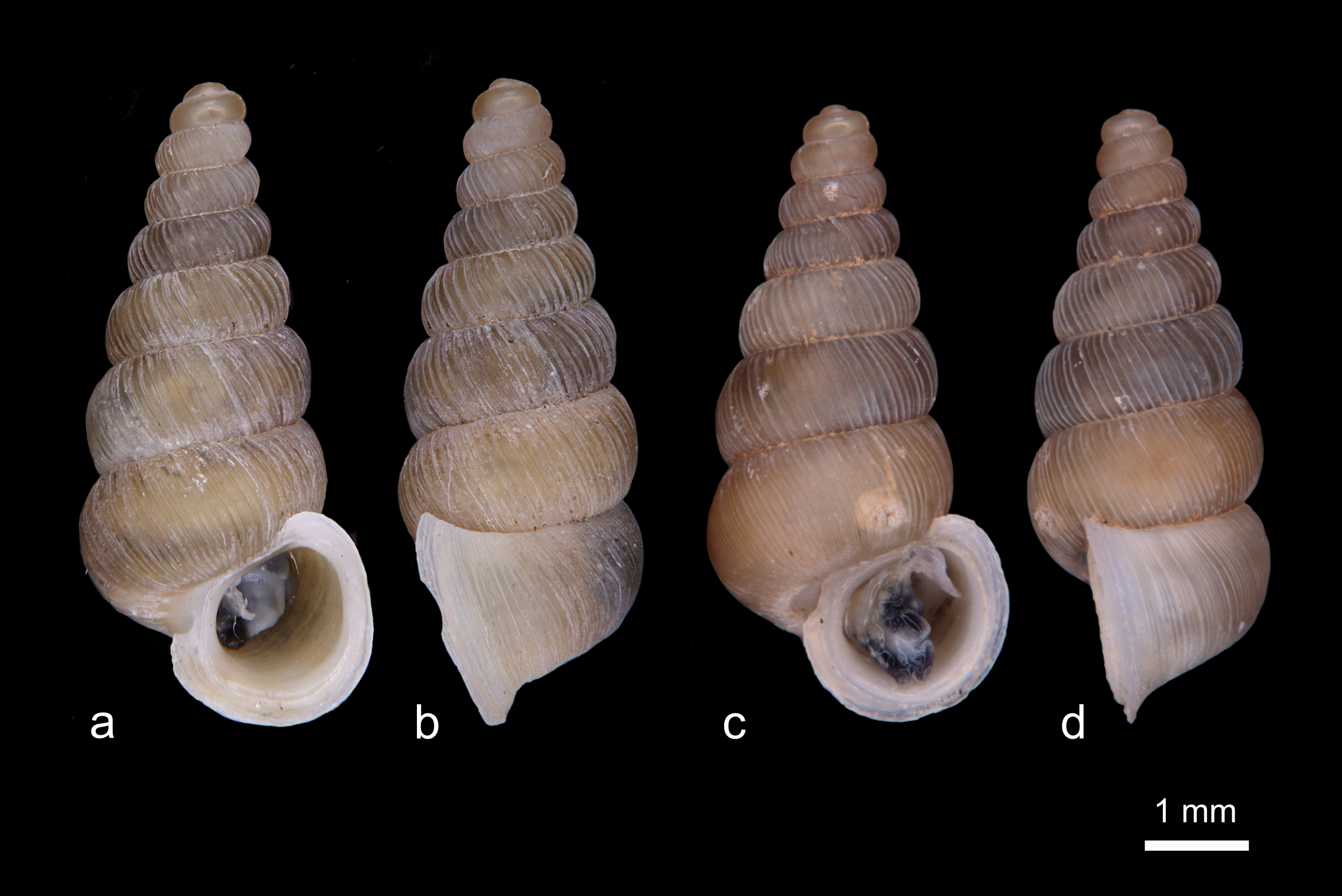
A recent study published in Biodiversity Data Journal describes two land-snail species that are new to science: Cochlostoma (Turritus) dobrido and Cochlostoma (Turritus) komarnica. Both were discovered in northwestern Montenegro, particularly around Durmitor National Park and the nearby Komarnica Canyon. These snails belong to the genus Cochlostoma, a group commonly found on limestone rocks in Mediterranean and Balkan landscapes. Because land snails move only short distances during their lifetimes, their populations can provide scientists with clues about how long a habitat has remained relatively stable (Schilthuizen et al., 2026).
The researchers discovered and studied the snails during citizen-science expeditions involving professional scientists, local researchers, students, and other participants. To determine whether the snails represented separate species, the team did more than simply compare their shells. They examined shell shape, internal anatomy, and DNA sequences. This was important because different Cochlostoma species can look very similar from the outside even though their genetics and reproductive anatomy may be quite different. The combination of DNA evidence and physical characteristics supported the recognition of C. dobrido and C. komarnica as distinct species (Schilthuizen et al., 2026).
Cochlostoma dobrido was named after the Dobri Do highland area of Durmitor National Park, where it was discovered. It has been confirmed from several locations on limestone cliffs at high elevations, where individuals often shelter in rock crevices and beneath moss during dry weather. Cochlostoma komarnica, meanwhile, takes its name from the Komarnica region. The two new species can sometimes occur in the same general areas, even alongside another related snail called Cochlostoma scalariniforme. Their discovery shows that the limestone landscapes of Montenegro contain more biological diversity than might be obvious from appearance alone (Schilthuizen et al., 2026).
The study also has conservation importance. Komarnica Canyon contains habitats that scientists are still exploring, and the discovery of previously unknown species suggests that additional organisms may remain undocumented there. Because species with small geographic ranges can be especially vulnerable to habitat alteration, researchers emphasize the value of conducting detailed biodiversity surveys before major environmental changes occur. The high-elevation habitat of C. dobrido may also make it sensitive to long-term climate change as suitable mountain conditions shift upward. Overall, the research demonstrates how taxonomy, DNA analysis, field exploration, and citizen science can work together to reveal hidden biodiversity and improve understanding of ecosystems that may require conservation attention (Schilthuizen et al., 2026).
References
Schilthuizen, M., Boomsma, R., Faes, S., Jousma, M., Buisman, J., Lankenau, D.-H., et al. (2026). Two new Cochlostoma species from the Durmitor and Komarnica regions of northern Montenegro (Caenogastropoda, Cochlostomatidae). Biodiversity Data Journal, 14, e196955. Naturalis Repository
Original article — Biodiversity Data Journal
Naturalis Biodiversity Center — Article record and full text
PubMed — Article abstract and publication information
AI Disclosure Statement:
The Chromoscience uses AI-assisted tools to support the preparation and editing of science articles. Content is reviewed by the editor for clarity and consistency with the cited research before publication. Readers are encouraged to consult the original scientific publications for complete findings, methods, and limitations.




Leave a Reply