

Related Topics

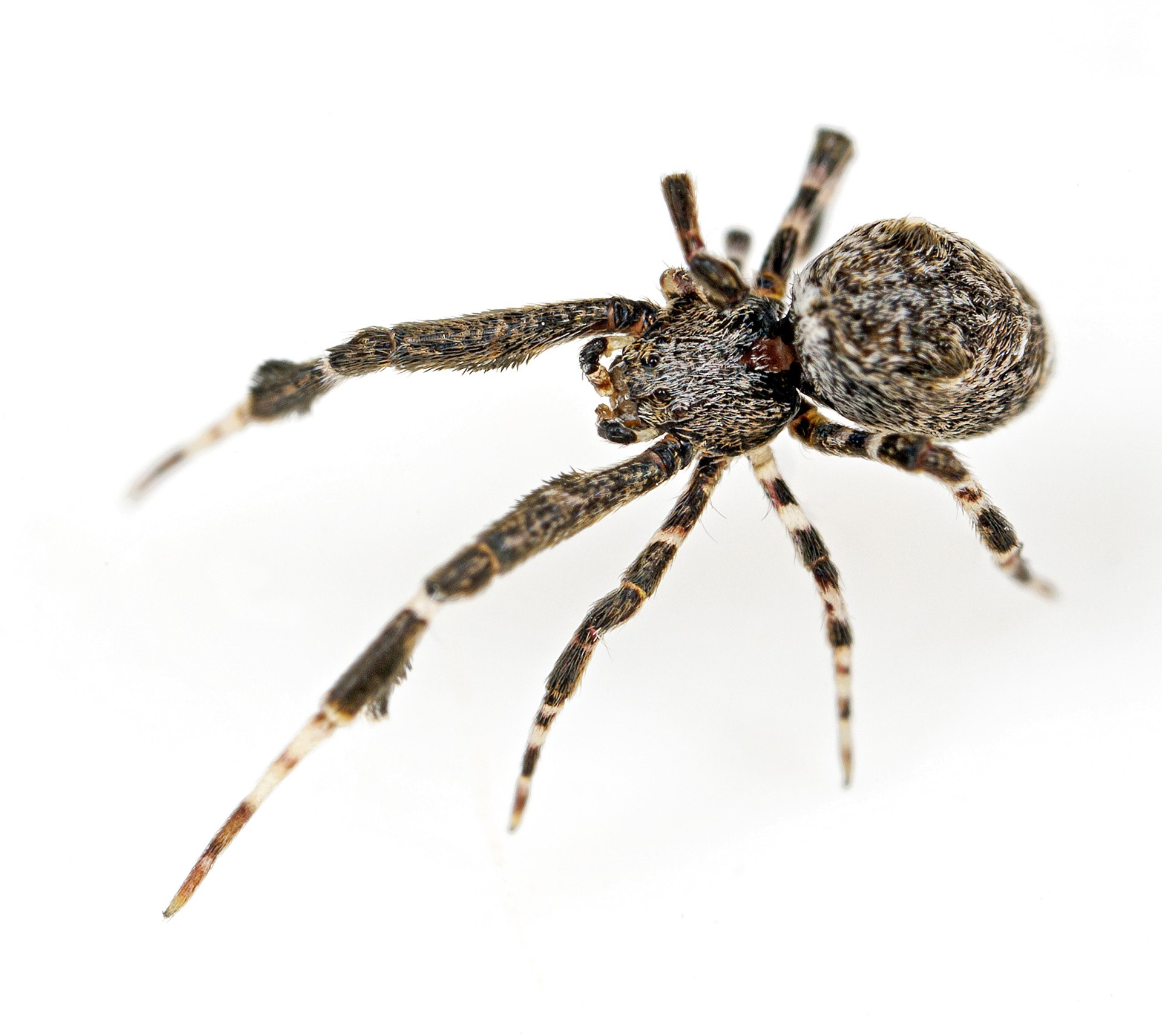
A research group determined that a common spider attacks its prey by covering them with silk and regurgitating toxins. In their BMC Biology study, the group examined various spider samples by watching them kill prey.
Spiders usually bite and release venom through their fangs to kill victims. However, o ne spider covers its prey with silk and regurgitated toxins.
The researchers found an illustration in a 94-year-old manuscript that described the feather-legged lace weaver spider regurgitating its toxin, soaking its spun silk, and killing its prey. They went to greenhouses/plant stores and collected several spider specimens for laboratory examination to verify the description.
The scientists examined the spiders using a microscope and discovered they didn’t have venomous glands in the head. Instead, they discovered muscles that were tiny and oddly formed. Their fangs had no injection channels either.
Furthermore, scientists discovered that the midgut of the spider had significant expression of the genes that encoded the toxins. Although putting the toxin into fruit flies proved it was equally deadly as other spider toxins, testing showed it was different. The researchers believe the head muscles help drive out the toxins.
Because they don’t have venom glands, feather-legged lace weaver spiders were traditionally thought to be harmless, but this study shows that they can subdue prey just as effectively. The discoveries may enable new toxin research and illuminate spider evolution.
Sources:
Xiaojing Peng et al. (2025). Beyond venomous fangs: Uloboridae spiders have lost their venom but not their toxicity, BMC Biology. DOI: 10.1186/s12915-025-02248-1
Feather-legged lace weaver spider kills prey by covering it with toxic silk. https://phys.org/news/2025-06-feather-legged-lace-weaver-spider.html
AI Disclosure Statement:
The Chromoscience uses AI-assisted tools to support the preparation and editing of science articles. Content is reviewed by the editor for clarity and consistency with the cited research before publication. Readers are encouraged to consult the original scientific publications for complete findings, methods, and limitations.



