

Advertisements
Advertisements
Related Topics

- The rapid global spread of the coronavirus disease (COVID-19) has caused significant health and socioeconomic burden on affected countries.
- As positive cases continued to rise in Malaysia, public health laboratories experienced an overwhelming demand for COVID-19 screening.
- The confirmation of positive cases of COVID-19 has solely been based on the detection of the virus using real-time reverse transcription polymerase chain reaction (qRT-PCR).
- A real-time reverse transcription–polymerase chain reaction (RT-PCR) assay was developed to rapidly detect the severe acute respiratory syndrome–associated coronavirus (SARS-CoV).
- The assay, based on multiple primer and probe sets located in different regions of the SARS-CoV genome, could discriminate SARS-CoV from other human and animal coronaviruses
- In efforts to increase the cost-effectiveness and efficiency of COVID-19 screening, the study evaluated the feasibility of pooling clinical swab specimens during nucleic acid extraction without a reduction in sensitivity of qRT-PCR.
- Pools of 10 specimens were extracted and subsequently tested by qRT-PCR according to the WHO-Charité protocol.
- The study demonstrated that the sample pooling method showed no loss of sensitivity.
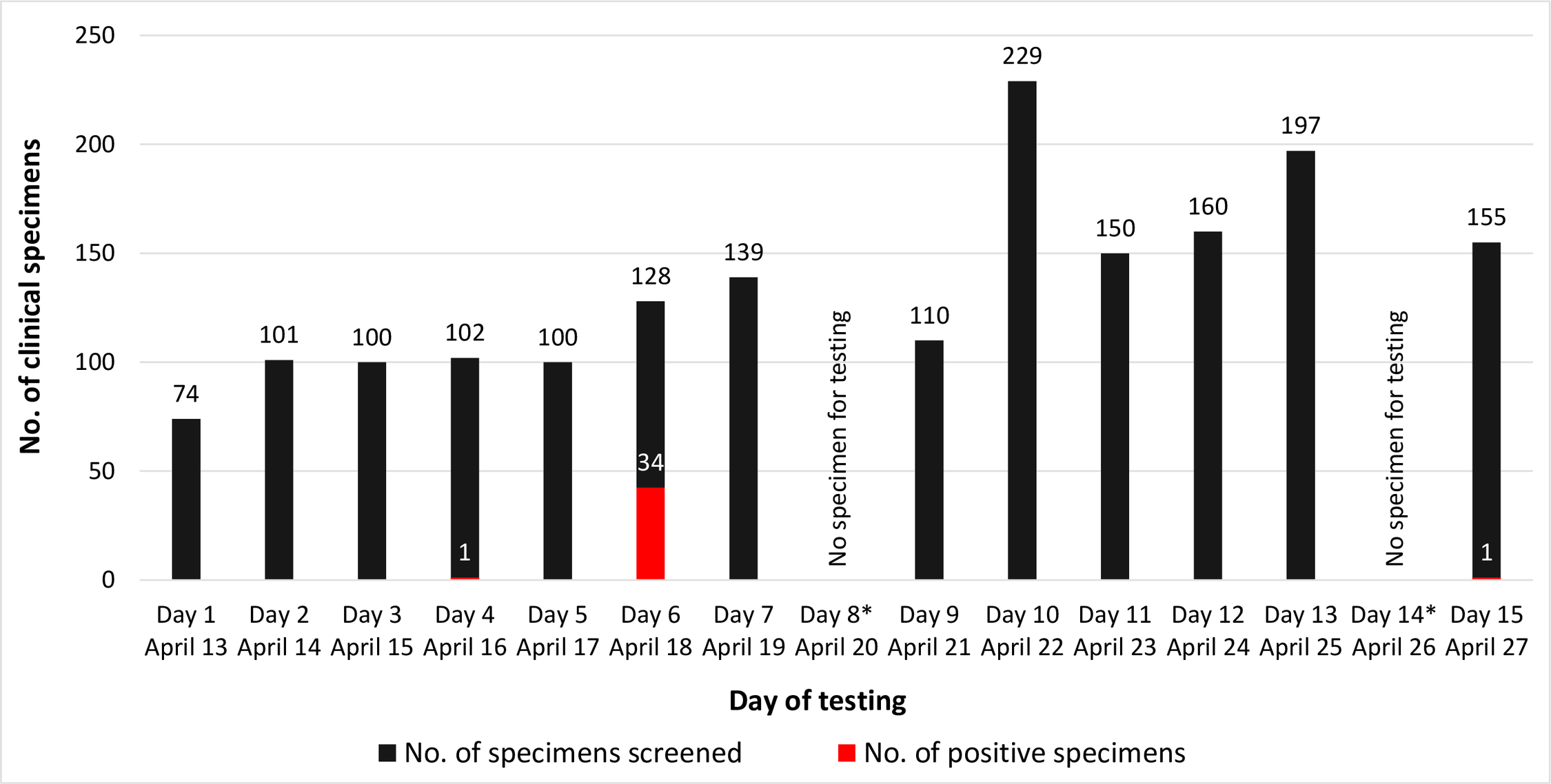
- The effectiveness of the pooled testing strategy was evaluated on both retrospective and prospective samples, and the results showed a similar detection sensitivity compared to testing individual sample alone.
- This study demonstrates the convenience of using a pooled testing strategy to increase testing capacity and conserve resources, especially when there is a high demand for disease testing.
Sources:
https://doi.org/10.1371/journal.pone.0238417
https://www.ncbi.nlm.nih.gov/pmc/articles/PMC3322901
Advertisements
Advertisements
AI Disclosure Statement:
The Chromoscience uses AI-assisted tools to support the preparation and editing of science articles. Content is reviewed by the editor for clarity and consistency with the cited research before publication. Readers are encouraged to consult the original scientific publications for complete findings, methods, and limitations.



