
Advertisements
Advertisements
Related Topics

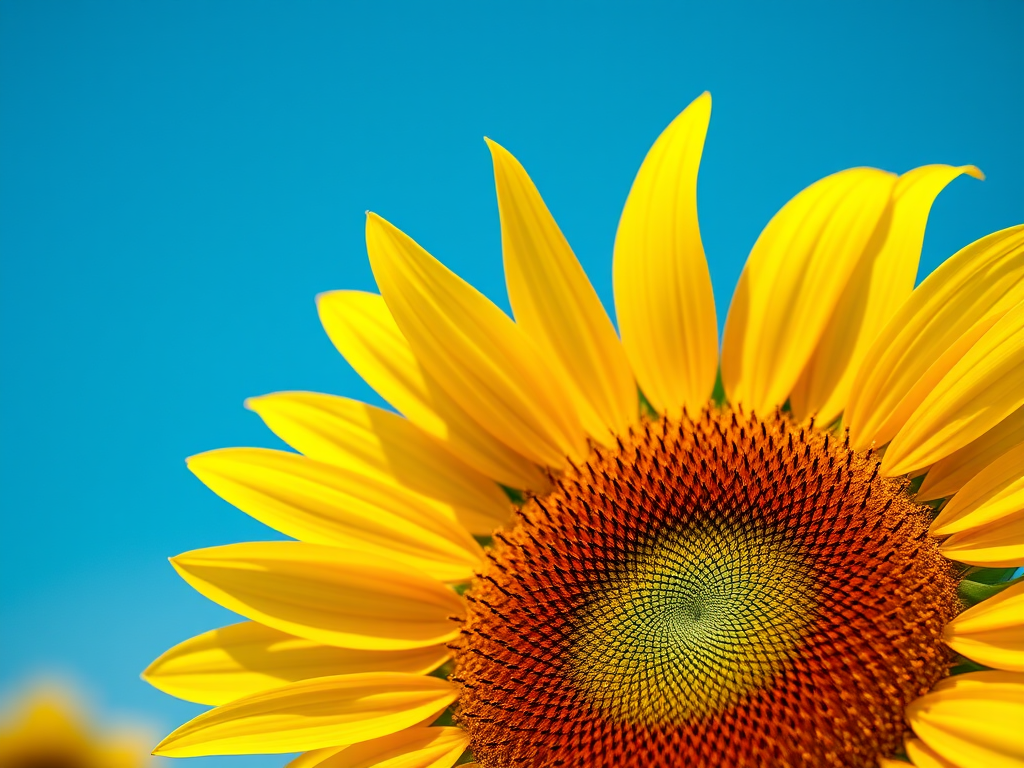
- Heliotropism is a form of tropism in which the motion of plant parts, such as the flower, is influenced by the direction of the Sun.
- During the day, the shoot apex of a common sunflower continuously reposition following the sun’s relative position making the developing heads track from east to west.
- The reverse happens during the night at which the heads return back facing east to anticipate the sunrise.
- As sunflowers grow, the tracking cycle dampens and eventually stops after which the sunflower heads stay at an eastward orientation.
- So, why do sunflowers face eastward?
- Appropriate responses to internal and external environmental signals in both the pollinator and plant are required for effective insect pollination.
- Researchers discovered how this orientation affects the climate around its flower and the consequences on plant-pollinator interactions and reproductive fitness.
- In both field and controlled conditions, sunflower orientation and temperature were artificially manipulated.
- Flower physiology, pollinator visits, seed traits, and reproductive success were assessed.
- Sunflowers facing east were discovered to have earlier style elongation, pollen presentation, and pollinator visits compared with sunflowers facing west.
- Style is a tube-like structure that extends upward from the ovary of a flower.
- Sunflowers facing east also produced more offsprings than sunflowers facing west.
- Under some conditions, sunflower facing east produced heavier and better-filled seeds.
- Local temperature change around the flower was found to be associated with the regulation of style timing elongation, pollen emergence, and pollinator visits.
- The results suggest that eastward orientation helps to control daily rhythms in floral temperature with a direct effect on the timing of style elongation and pollen emergence, pollinator visitation, and plant fitness.
Sources:
Creux, N.M., Brown, E.A., Garner, A.G., Saeed, S., Scher, C.L., Holalu, S.V., Yang, D., Maloof, J.N., Blackman, B.K. and Harmer, S.L. (2021), Flower orientation influences floral temperature, pollinator visits, and plant fitness. New Phytol. https://doi.org/10.1111/nph.17627
https://escholarship.org/uc/item/0cz6x139
Advertisements
Advertisements
AI Disclosure Statement:
The Chromoscience uses AI-assisted tools to support the preparation and editing of science articles. Content is reviewed by the editor for clarity and consistency with the cited research before publication. Readers are encouraged to consult the original scientific publications for complete findings, methods, and limitations.