
Advertisements
Advertisements
Related Topics

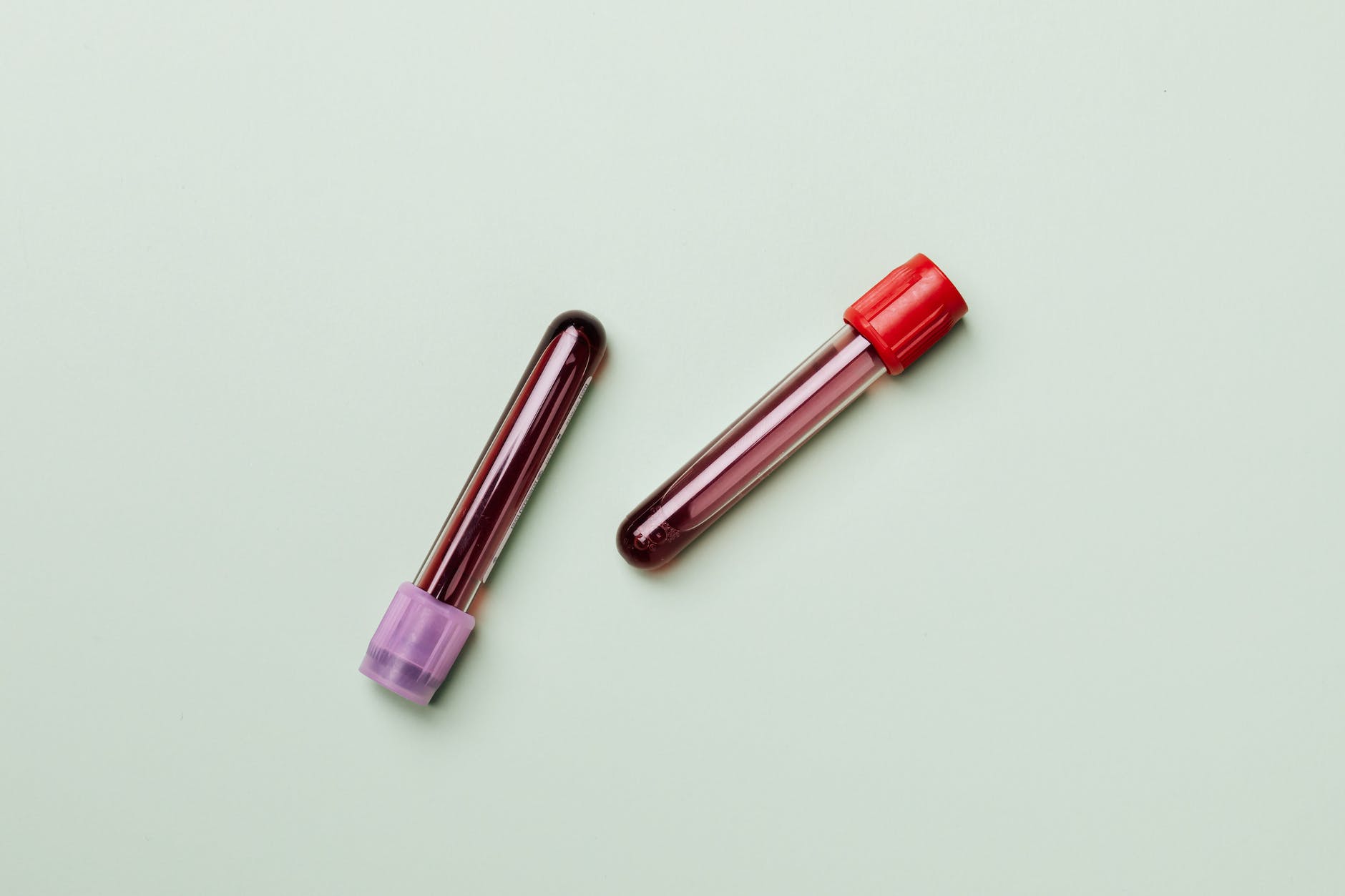
- One of the things that make humans alive is the liquid called blood.[2]
- Whole blood is a mixture of cellular elements, colloids, and crystalloids.[2]
- Blood consists of red blood cells also known as erythrocytes which is responsible for transport and exchange of oxygen and carbon dioxide between the lungs and other tissues.
- Researchers froze red blood cells in absolute zero temperature.
- Absolute zero temperature is equal to −273.15 degrees on the Celsius scale or −459.67 degrees on the Fahrenheit scale.
- Absolute zero is the temperature at which a thermodynamic system has the lowest energy.[3]
- Red blood cells were collected in anticoagulant citrate dextrose solution.
- The red blood cells were preserved by glycerolization and sealed in glass ampule bottles.
- The filled ampule bottles were frozen to -272.29 degrees in liquid helium under high vacuum.
- Biological tests were performed after thawing.
- The glycerol was removed from the red blood cells through three-stage dialysis.
- After the glycerol was removed, test showed that only 1 percent of the red blood cells were ruptured or destroyed.
- Intracellular potassium level was within the normal range.
- Potassium is required for normal cell function because of its role in maintaining intracellular fluid volume and transmembrane electrochemical gradients.[4]
- 2,3-Diphosphoglycerate (2,3-DPG) level was also within the normal range.
- 2,3-Diphosphoglycerate controls the movement of oxygen from red blood cells to body tissues.[5]
- ATP level was also within the normal range.
- ATP is known not only as an energy carrier but can also act as a signaling molecule in blood microcirculation.[6]
- ATP is released by red blood cells when they are exposed to stresses large enough to induce a sufficient shape deformation.[6]
Sources:
Cravalho, E. G., Huggins, C. E., Diller, K. R., & Watson, W. W. (1981). Blood freezing to nearly absolute zero temperature: -272.29 degrees C. Journal of biomechanical engineering, 103(1), 24–26. https://doi.org/10.1115/1.3138240
[2] https://www.ncbi.nlm.nih.gov/pmc/articles/PMC4260297
[3] https://www.britannica.com/science/absolute-zero
[4] https://ods.od.nih.gov/factsheets/Potassium-HealthProfessional
[5] https://medical-dictionary.thefreedictionary.com
[6] https://www.cell.com/biophysj/fulltext/S0006-3495(18)31162-7
Advertisements
Advertisements
AI Disclosure Statement:
The Chromoscience uses AI-assisted tools to support the preparation and editing of science articles. Content is reviewed by the editor for clarity and consistency with the cited research before publication. Readers are encouraged to consult the original scientific publications for complete findings, methods, and limitations.