

Advertisements
Advertisements
Related Topics

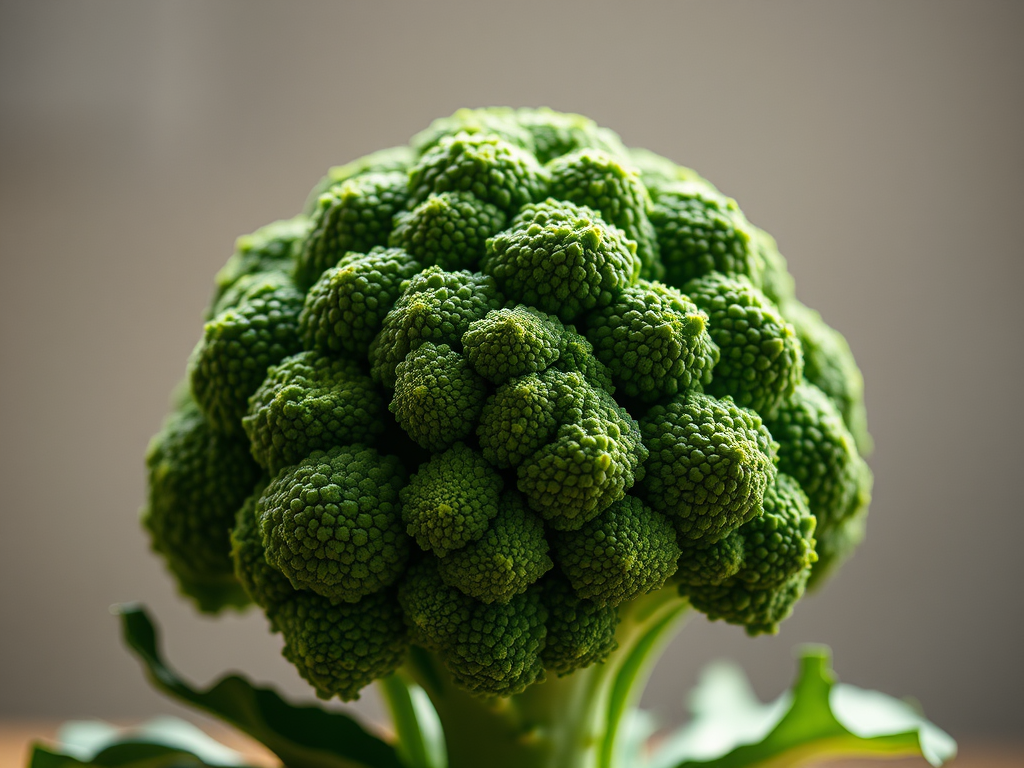
- Broccoli is a common edible green plant in the family Brassicaceae with all of the parts eaten as vegetable.[1]
- A compound called 3,3’-diindolylmethane or DIM can be obtained from the digestion of indole-3-carbinol, found in broccoli.
- DIM promotes cell death and autophagy in some human cancer.
- Autophagy refers to the natural process of cell degradation by which unnecessary or non-functional cellular components are removed or recycled.
- DIM extends lifespan in the yeast called Schizosaccharomyces pombe.
- S. pombe, often called fission yeast, is a species of yeast used in traditional brewing.[3]
- However, the way by which DIM promotes cell destruction in humans and extends lifespan in S. pombe are not very well understood.
- Researchers show that DIM promotes cell destruction in log-phase cells which is dose-dependent.
- .Log-phase is the period by which cells exponentially increase in number.
- Researchers discovered that when high concentration of DIM was added, the cell’s nuclear envelope was disrupted and the chromosome tightly packed at an early stage.
- On the other hand, when low concentration of DIM was added, cells were degraded but did not cause disruption on the nuclear envelope.
- Cells defective in autophagy were more vulnerable to the low concentration of DIM which suggest the autophagic pathway contributes to the cell’s survival against DIM.
- Additionally, researchers discovered that the cells with lem2 mutation are more sensitive to DIM.
- Lem2 is a protein that regulates the size of the cell’s nuclear envelope.[2]
- The nuclear envelope of cells with lem2 mutation was disrupted even at low DIM concentration.
- The results highlight the importance of autophagic pathway and nuclear envelope integrity in maintaining cell viability during exposure to low DIM concentration.
- Researchers speculated that the process of cell death and autophagy induce by DIM are conserved in humans and S. pombe.
- Future studies are needed to understand more about the DIM being able to induce cell death and autophagy in humans and S. pombe.
Sources:
Emami P, Ueno M (2021) 3,3’-Diindolylmethane induces apoptosis and autophagy in fission yeast. PLoS ONE 16(12): e0255758. https://doi.org/10.1371/journal.pone.0255758
[1] https://en.wikipedia.org/wiki/Broccoli
[2] https://www.nature.com/articles/s41467-019-09623-x
[3] https://en.wikipedia.org/wiki/Schizosaccharomyces_pombe
Advertisements
Advertisements
AI Disclosure Statement:
The Chromoscience uses AI-assisted tools to support the preparation and editing of science articles. Content is reviewed by the editor for clarity and consistency with the cited research before publication. Readers are encouraged to consult the original scientific publications for complete findings, methods, and limitations.



