

Related Topics

Researchers from the Institute of Molecular Biology of Barcelona (IBMB) of the CSIC and the Bellvitge Biomedical Research Institute (IDIBELL) recorded how embryos that are just a few days old protect themselves from bacteria that could make them ill. This week, the journal Cell Host and Microbe published the work.
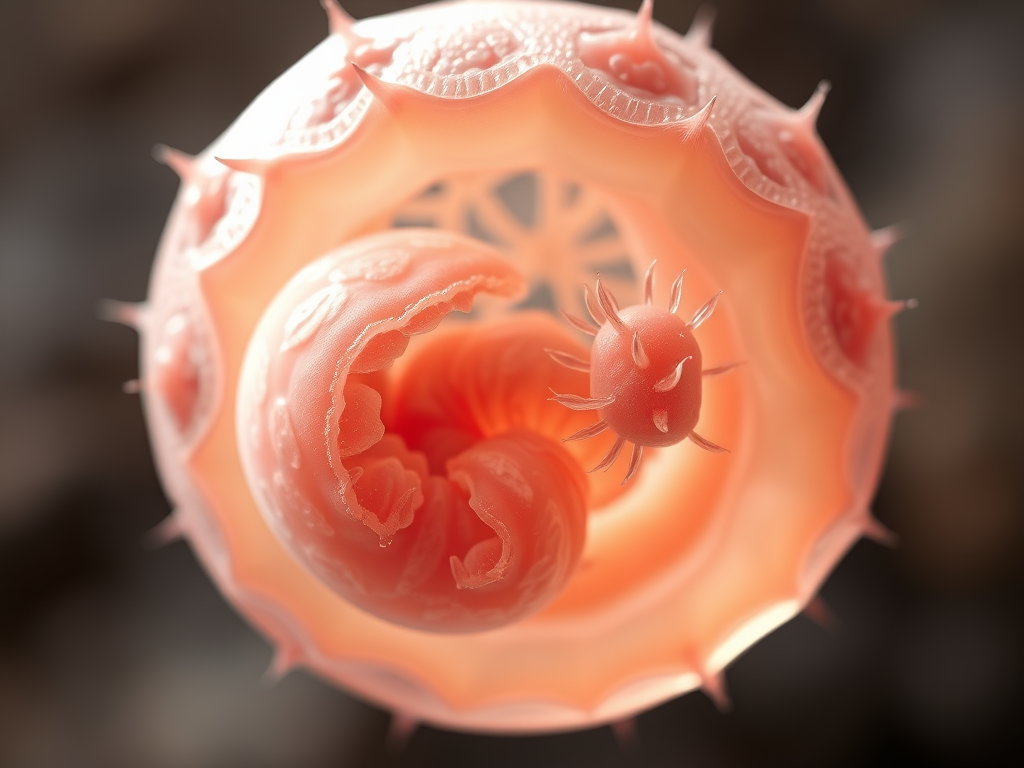
They were able to witness how zebrafish embryos utilize epithelial cells, which are cells on their surface, to devour and kill microbes through a process called phagocytosis, which is similar to what white blood cells do. Importantly, researchers could see that this ability to get rid of microbes is also present in human embryos.
The study demonstrates, with advanced microscopy approaches, the mechanism by which cells ingest Escherichia coli and Staphylococcus aureus bacteria via tiny membrane protrusions, a process involving the protein Actin. The study indicates that, from the onset of development—prior to implantation in the uterus and the development of organs—embryos possess a defense mechanism that enables them to eradicate bacterial infections.
Scientists say that this process acts as a phagocytosis system, which turns on defensive genes in these cells, kills bacteria, and helps the embryo grow properly when it is infected.
This system might be where immunity comes from. The study shows the first time the new organism interacts with its biological microenvironment.
Sources:
Joan Roncero-Carol et al. (2025). Epithelial cells provide immunocompetence to the early embryo for bacterial clearance, Cell Host & Microbe. DOI: 10.1016/j.chom.2025.05.025
Embryos can eliminate bacterial infections before forming their immune system, new research shows. https://phys.org/news/2025-06-embryos-bacterial-infections-immune.html
AI Disclosure Statement:
The Chromoscience uses AI-assisted tools to support the preparation and editing of science articles. Content is reviewed by the editor for clarity and consistency with the cited research before publication. Readers are encouraged to consult the original scientific publications for complete findings, methods, and limitations.



