
Related Topics

Ophiocordyceps unilateralis, the cordyceps species in “The Last of Us,” is real and does what the TV series claims, but not in people.
Cordyceps cannot survive in humans due to their high body temperature and complicated neural system.
However, numerous Ophiocordyceps species can take over insect brains, alter behavior, and discharge spores, spreading the fungus.
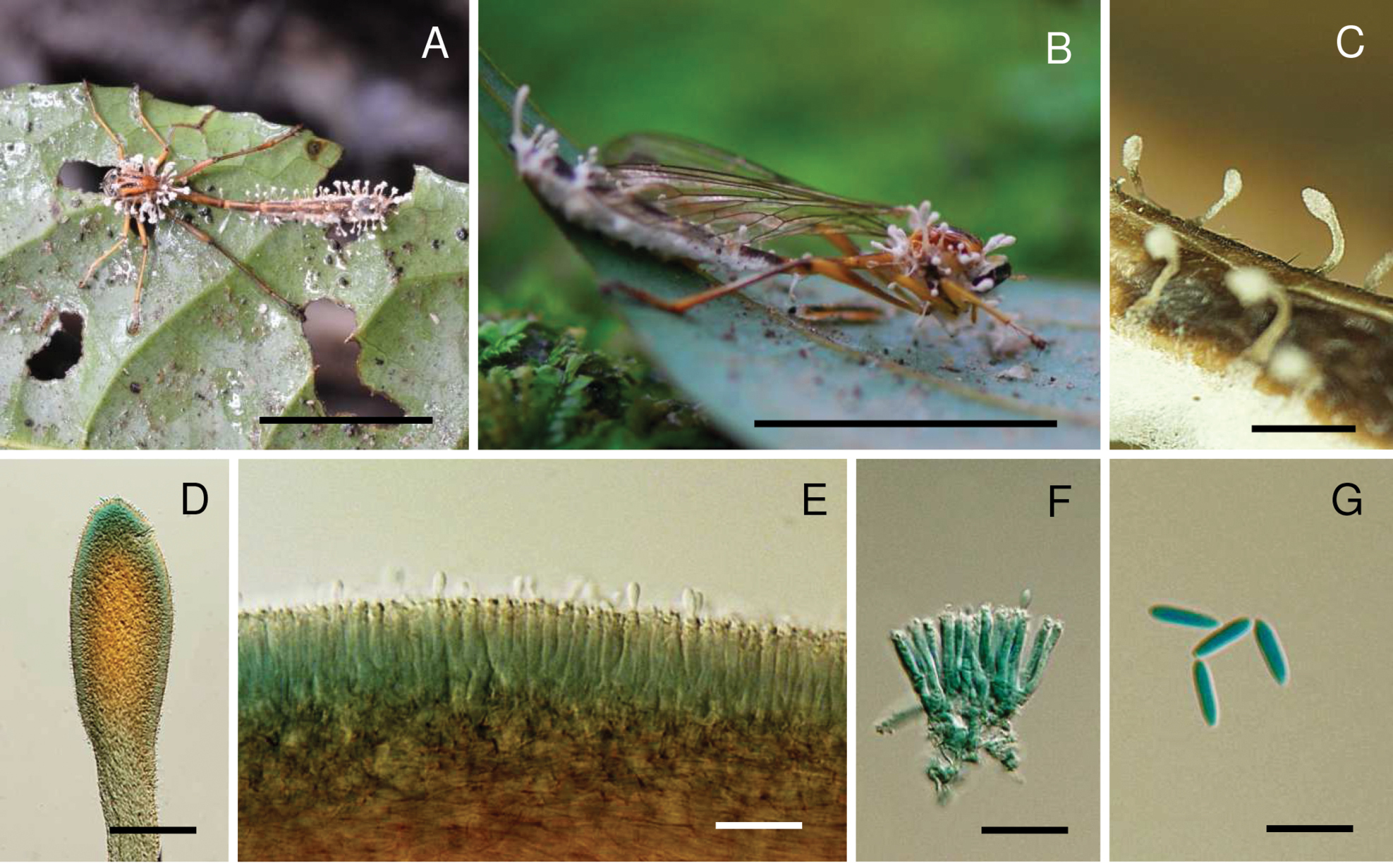
According to MycoKeys, four new Ophiocordyceps species have been found in Thailand’s forests, each infesting one fly species.
Two related genera, ophiocordyceps and cordyceps, were previously together.
Ophiocordyceps fungi lives on insect hosts buried in dirt, dead leaves, rotting wood, leaf undersides, and forest plant stems.
Researchers discovered Ophiocordyceps floriformis, a new fungus, in Khao Yai National Park near Kong Kaeo Waterfall. A robber fly stuck to a leaf had little flower-like structures on its head, thorax, and abdomen.
Three new species—Ophiocordyceps muscae, tabani, and thilosuensis—infect houseflies, horseflies, and fruit flies, respectively.
Host-specific relationships may regulate fly populations naturally. The study did not say if the new species manipulate host behavior.
Many insect-parasitic fungus produce bioactive chemicals with antibacterial or anticancer effects, researchers added.
Thus, discovering new species may improve the likelihood of finding new agricultural or therapeutic compounds.
Study samples were obtained from forests in Nakhon Ratchasima, Phetchabun, Chaiyaphum, and Tak provinces.
It may sound strange, but Ophiocordyceps fungi affect host insect behavior to maintain their survival.
Ophiocordyceps unilateralis causes ants to wildly climb to a specific height in a brief period and grip on leaves or branches to secure their bodies before a spore bursts from their head.
In another example, after forcing soil-dwelling ghost moth larvae close to the ground, Ophiocordyceps sinensis produces a fruiting body from its head.
Suchada Mongkolsamrit et al. (2025). Multi-locus molecular phylogenetic analysis reveals four new species and a new record of Ophiocordyceps (Ophiocordycipitaceae, Hypocreales) on dipteran hosts in Thailand, MycoKeys. DOI: 10.3897/mycokeys.119.155439
Four fungi related to species that hijack brains of insects discovered in Thailand. https://phys.org/news/2025-07-fungi-species-hijack-brains-insects.html
AI Disclosure Statement:
The Chromoscience uses AI-assisted tools to support the preparation and editing of science articles. Content is reviewed by the editor for clarity and consistency with the cited research before publication. Readers are encouraged to consult the original scientific publications for complete findings, methods, and limitations.