
Related Topics

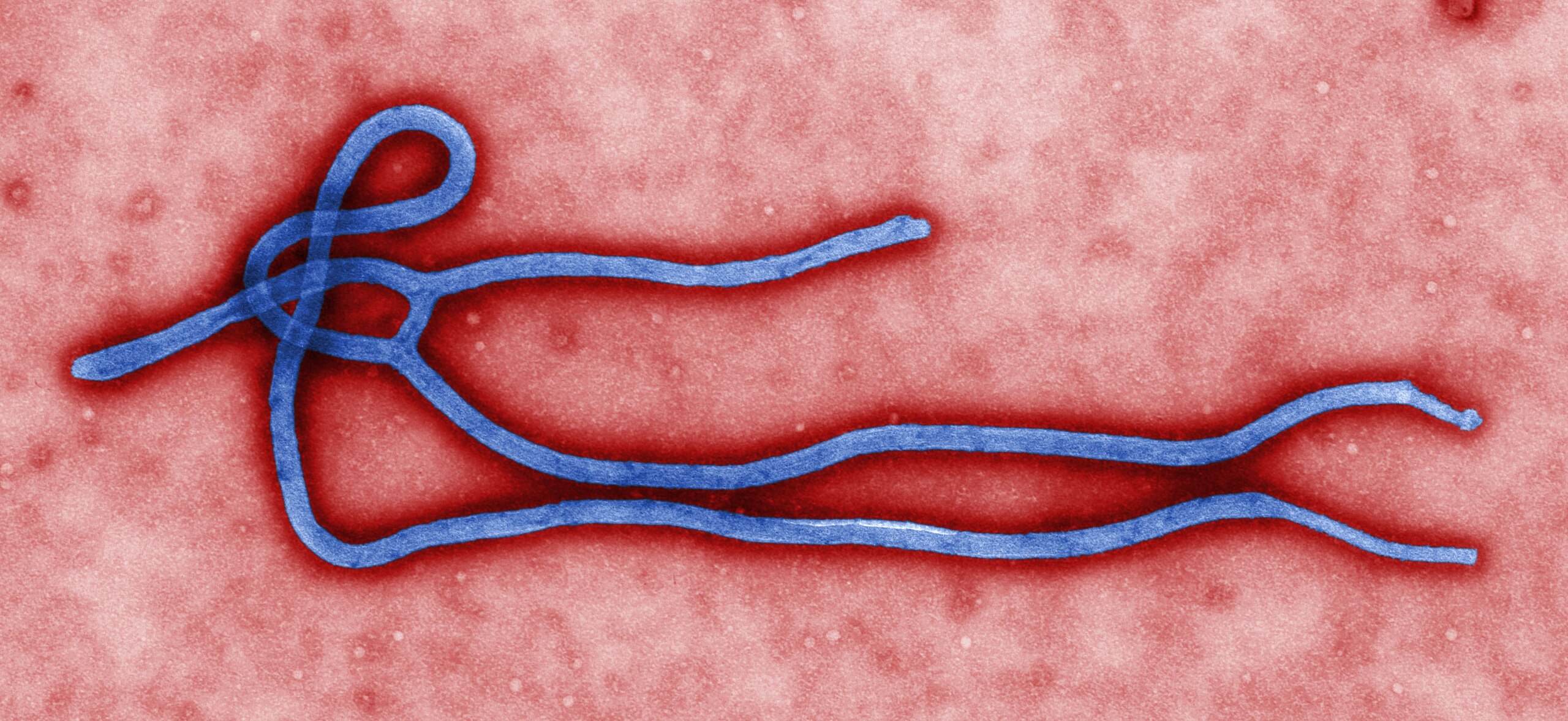
Ebola is a fatal hemorrhagic disease caused by a virus that is found in portions of East-Central and West Africa. Most individuals are aware that the major mode of person-to-person transmission is through contact with an infected person’s bodily fluids. However, more recent outbreaks, such as the 2013-2016 Ebola pandemic in West Africa, have shown that infectious Ebola virus (EBOV) can be found on the skin’s surface of persons who have died from infection or at late stages of infection.
Although evidence suggests that EBOV can be transmitted by skin contact with a person in the final phases of the disease, nothing is known about how the virus exits the body and reaches the skin’s surface.
Researchers from the University of Iowa Health Care, along with colleagues at the Texas Biomedical Research Institute and Boston University, have identified a cellular pathway that the virus takes to travel through the inner and outer layers of skin and appear onto the skin’s surface.
The study discovers new cell types in the skin that are targeted by EBOV during infection and demonstrates that human skin specimens actively promote EBOV infections.
Overall, the findings, published on January 1 in Science Advances, indicate that the surface of the skin may be a mode of person-to-person transfer.
The skin is the largest component in the human body, although it is far less studied than most other organs. The interactions of EBOV with skin cells have not previously been widely investigated.
The findings support one mechanism by which EBOV exits the human body. A thorough understanding of which cells are targeted during virus infection is essential for the appropriate development of antiviral medicines.
Sources:
Multiple cell types support productive infection and dynamic translocation of infectious Ebola virus to the surface of human skin, Science Advances. DOI: 10.1126/sciadv.adr6140
https://phys.org/news/2024-12-ebola-route-skin-surface.html
AI Disclosure Statement:
The Chromoscience uses AI-assisted tools to support the preparation and editing of science articles. Content is reviewed by the editor for clarity and consistency with the cited research before publication. Readers are encouraged to consult the original scientific publications for complete findings, methods, and limitations.