

Related Topics

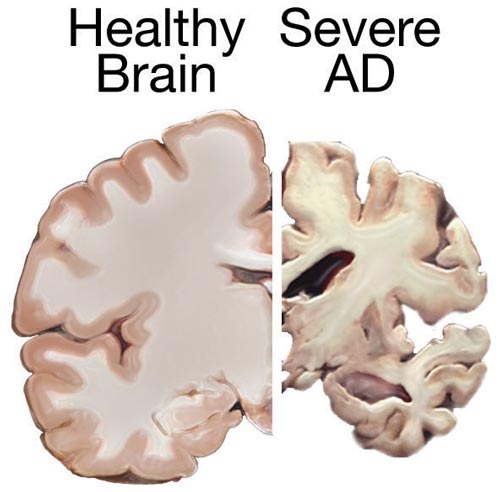
When combined with a predisposing hereditary factor, alcohol use disorder (AUD) speeds up the process and the onset of Alzheimer’s disease. Scientists from Scripps Research and the University of Bologna published their findings in the journal eNeuro on June 12, 2023, detailing how persistent alcohol intoxication leads to alterations in gene expression characteristic of advanced illness in the brains of Alzheimer’s-prone mice. These mice showed evidence of cognitive loss around two months earlier than they would have without frequent exposure to high levels of alcohol.
According to Federico Manuel Giorgi, PhD, a professor of Computational Genomics at the University of Bologna and co-lead author of the study, putting ethanol to an Alzheimer’s genetic background accelerates Alzheimer’s ahead by a few months or a few years.
Epidemiological studies have revealed that AUD may lead to an increased chance of acquiring dementia in general, although few research have specifically examined the possibility of alcohol intensifying Alzheimer’s disease.
This study used a mouse model of alcohol use disorder (AUD) in which mice were frequently and chronically exposed to alcohol over the course of several months. Mice carrying three genes that increase susceptibility to Alzheimer’s disease were compared to control mice.
Researchers observed that alcohol-exposed mice showed evidence of cognitive decline compared to their control counterparts and had a more pronounced loss in learning and memory of spatial patterns.
According to co-lead author and professor of immunology and microbiology at Scripps Research, Pietro Paolo Sanna, MD, they began to notice cognitive decline in the alcohol-treated mice about two months before they would typically develop these deficiencies.
To better understand what was going on in the brains of alcohol-exposed and -unexposed mice during AUD, researchers described and compared the gene expression of more than 100,000 individual cells.
They discovered that prefrontal brain gene expression changed significantly after chronic alcohol intake. Genes involved in neural excitability, neurodegeneration, and inflammation were all expressed at greater levels in alcohol-exposed animals. Not only did neuronal cells undergo these modifications, but so did glial cells, astrocytes, and endothelial cells.
Until recently, it was believed that only neurons were responsible for the responses connected with Alzheimer’s disease. This is intriguing because it was thought that neurons were responsible for carrying out all the responses related to Alzheimer’s disease.
Researchers found that alcohol-exposed mice had gene transcription profiles that were most similar to those of older mice with more severe cognitive decline when compared to mice of the same age but without alcohol exposure and the same genetic background as the older mice.
Alcohol has the effect of changing gene expression in the direction of more advanced disease, as explained by Sanna, who and colleagues compared alcohol-exposed mice to the same type of mice with early or late progression of the disease.
As a first step in uncovering the molecular mechanisms underlying memory loss and developing treatments, studying how gene expression varies in distinct cell groups during Alzheimer’s is crucial. The study authors hypothesize that the gene transcription pathways associated with the development of Alzheimer’s disease in those with AUD may also provide light on the normal course of the illness in non-alcoholic individual.
Sanna speculates that the processes of progression shown by the data analyzed may be broadly applicable to Alzheimer’s disease. Ultimately, this gene expression investigation will identify key regulatory genes that contribute to Alzheimer’s progression.
In the future, the researchers hope to determine whether or not alcohol intake also affects the onset and course of sporadic Alzheimer’s disease in persons who are not genetically predisposed to the condition.
Sources:
Sanna, P. P., Cabrelle, C., Kawamura, T., Mercatelli, D., O’Connor, N., Roberts, A. J., Repunte-Canonigo, V., & Giorgi, F. M. (2023). A history of repeated alcohol intoxication promotes cognitive impairment and gene expression signatures of disease progression in the 3xTg mouse model of Alzheimer’s disease. eNeuro, ENEURO.0456-22.2023. Advance online publication. https://doi.org/10.1523/ENEURO.0456-22.2023
https://www.scripps.edu/news-and-events/press-room/2023/20230612-sanna-aud.html
AI Disclosure Statement:
The Chromoscience uses AI-assisted tools to support the preparation and editing of science articles. Content is reviewed by the editor for clarity and consistency with the cited research before publication. Readers are encouraged to consult the original scientific publications for complete findings, methods, and limitations.



