

Advertisements
Advertisements
Related Topics

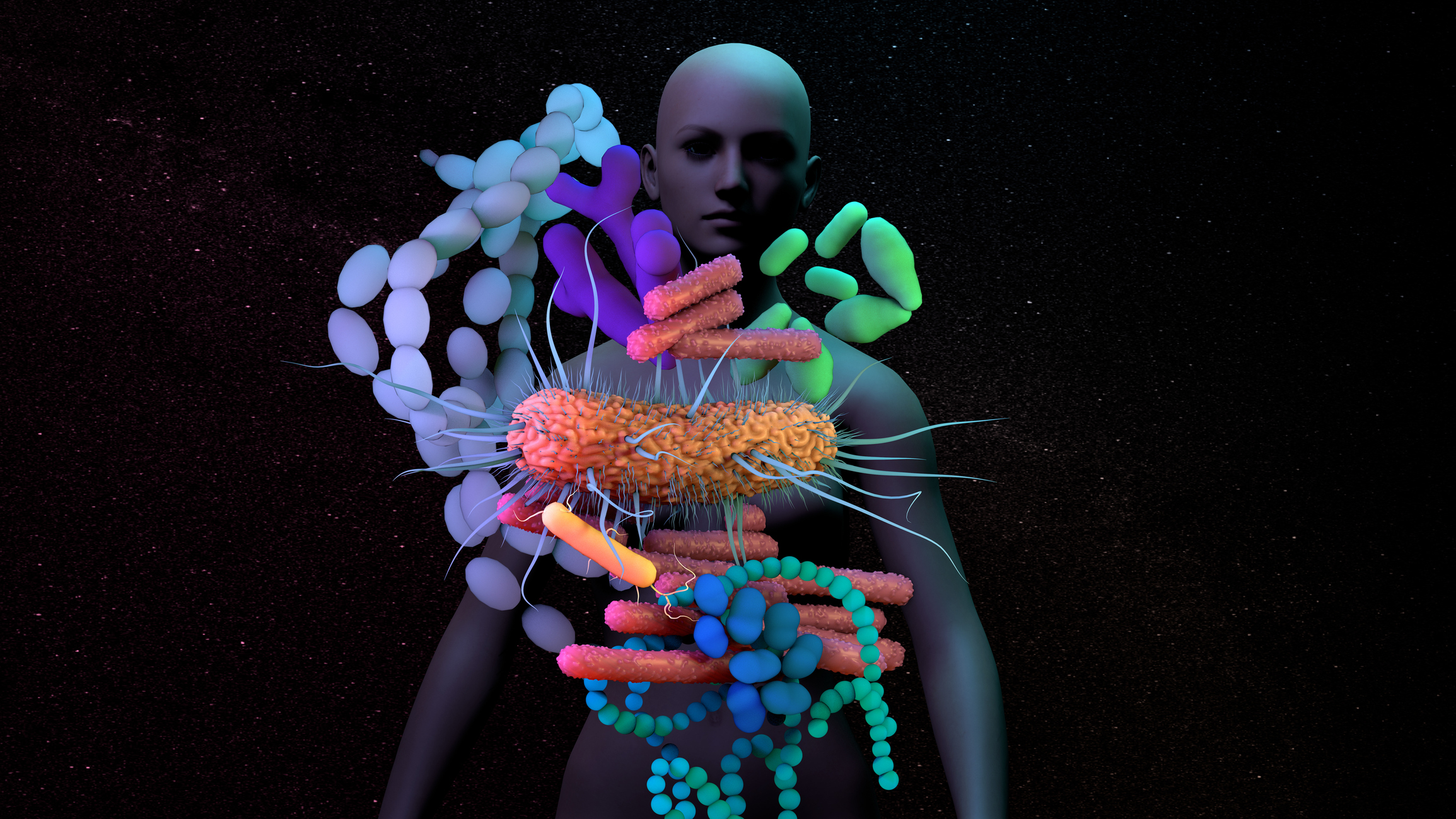
- Microbiome protects host from infections.
- This process of protection is called colonization resistance.
- However, this fundamental process remains largely unknown.
- Study shows that previously infected hosts display improved gut microbiota to resist infection.
- This micro-community improvement is associated with changes in bile acid metabolism.
- The remodeled micro-community includes expanded taxa that utilize the sulfonic acid taurine.
- Taurine is involve in various physiological functions such as bile acid conjugation and cell membrane stabilization.[1]
- Additionally, supplying external taurine can induce this alteration to improve resistance.
- Taurine encourages the microbiome to produce sulfide which is key to host invasion by a number of pathogens.
- Sulfide is an organic compound that inhibits cellular respiration.
- Pharmaceutical removal of sulfide affects the composition of microbiota and encourages pathogen invasion.
- The result reveals that infection can deploy taurine as a nutrient to improve microbiota and promote resistance to future infection.
Sources:
https://www.cell.com/cell/fulltext/S0092-8674(20)31681-0
[1] https://www.merriam-webster.com/dictionary/taurine
Advertisements
Advertisements
AI Disclosure Statement:
The Chromoscience uses AI-assisted tools to support the preparation and editing of science articles. Content is reviewed by the editor for clarity and consistency with the cited research before publication. Readers are encouraged to consult the original scientific publications for complete findings, methods, and limitations.



