

Advertisements
Advertisements
Related Topics

- Androgens such as testosterone are important for male sexual and reproductive function.
- Androgens play a role in the growth of prostate cancer cells.
- Decreasing androgens by means of castration or hormone suppression is the current treatment for prostate cancer.
- Castration refers to the process of removing the testicles in males.
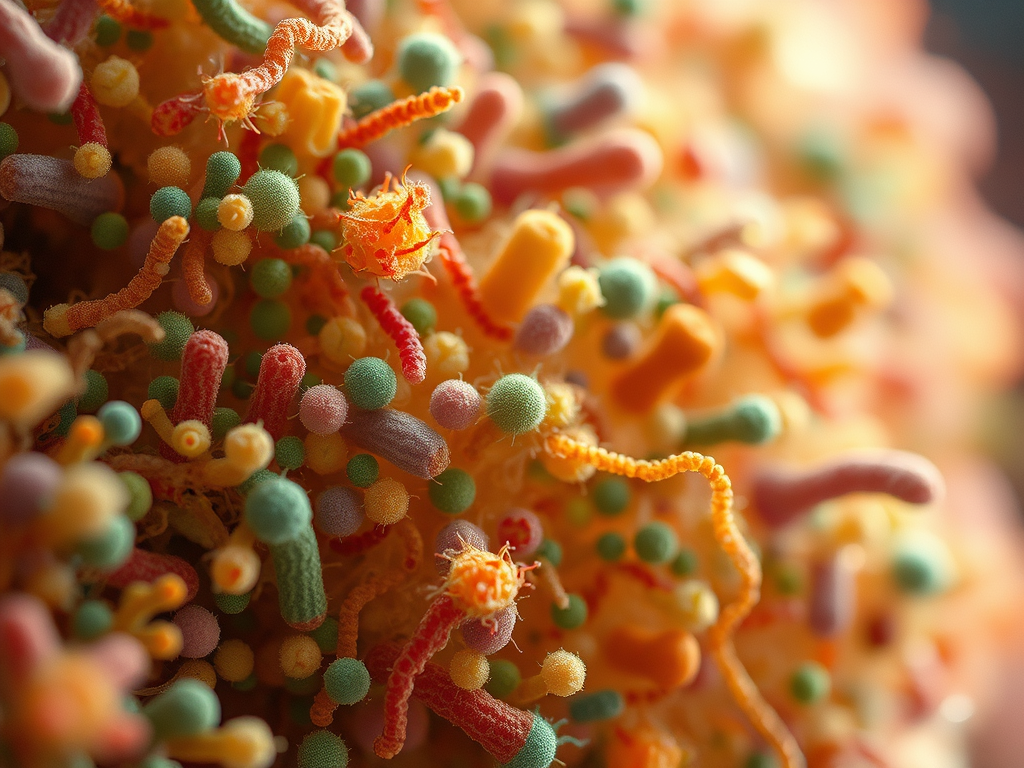
- The microbiota consist of microorganisms that inhabit a particular environment or location in or on the host.
- Microbiota contains different types of organisms which includes symbiotic, commensal, and pathogenic microorganisms.
- The role of the gut microbiota to the emergence of castration-resistance prostate cancer has not yet been addressed.
- Researchers discovered that deprivation of androgen in mice and humans encourages the expansion of some commensal microbiota that helps to begin the castration resistance.
- They found that when the body was deprived of androgens during the therapy, the gut microbiome could produce androgens from androgen precursors.
- When the gut microbiota was removed by antibiotic therapy, the emergence of castration resistance was delayed even when mice are immunodeficient.
- Fecal microbiota transplantation from castration-resistance prostate cancer mice and patients gave mice harboring prostate cancer resistant to castration.
- In contrast, the growth of tumor was controlled by fecal microbiota transplantation from patients with hormone-sensitive prostate cancer.
- Fecal microbiota transplantation, also known as a stool transplant, is the process of transferring fecal bacteria from a healthy individual into another individual.
- The results suggest that the commensal gut bacteria contributes to endocrine resistance in castration-resistance prostate cancer by providing an alternative source of androgens.
Sources:
Pernigoni, N., Zagato, E., Calcinotto, A., Troiani, M., Mestre, R. P., Calì, B., Attanasio, G., Troisi, J., Minini, M., Mosole, S., Revandkar, A., Pasquini, E., Elia, A. R., Bossi, D., Rinaldi, A., Rescigno, P., Flohr, P., Hunt, J., Neeb, A., Buroni, L., … Alimonti, A. (2021). Commensal bacteria promote endocrine resistance in prostate cancer through androgen biosynthesis. Science (New York, N.Y.), 374(6564), 216–224. https://doi.org/10.1126/science.abf8403
Advertisements
Advertisements
AI Disclosure Statement:
The Chromoscience uses AI-assisted tools to support the preparation and editing of science articles. Content is reviewed by the editor for clarity and consistency with the cited research before publication. Readers are encouraged to consult the original scientific publications for complete findings, methods, and limitations.



