

Related Topics

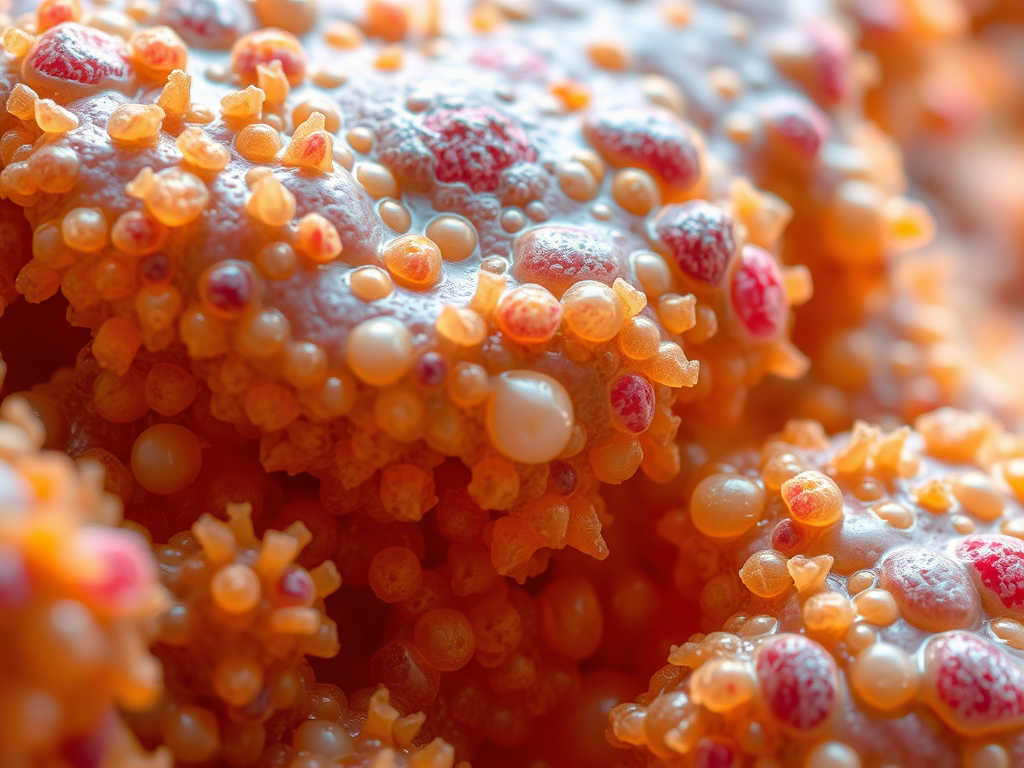
The sticky bacterial layer known as biofilm adheres to surfaces and is responsible for the fuzzy feeling that some people experience when they miss brushing their teeth. In medical scenarios, biofilms create protective coverings for microbes on tools like catheters and implants, therefore making treatments of infections more difficult.
Now researchers at UC Riverside have found a molecule produced by stressed-out plants that stops biofilm from developing. Apart from avoiding equipment corrosion in industrial environments, the breakthrough presents possible improvements in health care.
Simply said, biofilms are communities of microbes—such as bacteria or fungus—that cling together to create a protective covering on surfaces.
You most likely have seen them as the plaque on your teeth or as the slimy film on river pebbles. Although many ecosystems naturally exhibit biofilms, they can seriously disrupt things.
Published in the journal Nature Communications, the study emphasizes the significance of a particular metabolite—a molecule generated during life-sustaining chemical processes within plants—as well as bacteria and possibly parasitic organisms like the one causing malaria.
In plants, this metabolite, MEcPP, is not only important in synthesis of necessary molecules but also in stress signaling. For instance, a plant harmed in some capacity accumulates MEcPP. This chemical then sets the plant on defensive action. The same chemical, the researchers found, has an unexpected effect on bacteria like E. coli: it interferes with its capacity to adhere to surfaces, therefore disrupting biofilm production.
Because the microorganisms in biofilms are extremely resistant to medicines, they develop on medical equipment including catheters, stents, or implants, therefore complicating treatment of infections. In industry, they cause corrosion, clog pipelines, and taint food processing machinery.
This chemical presents the possibility to enhance results in any sector depending on clean surfaces by stopping the early stages of biofilm growth.
Crucially in biofilm initiation, bacteria bind themselves to surfaces using hair-like structures called fimbriae. Where they secrete a protective matrix shielding them from antibiotics and cleaning agents, fimbriae let bacteria cling to medical implants, pipelines, or even teeth. Biofilm production cannot start without fimbriae.
For bacteria, biofilms serve as sort of fortifications. MEcPP basically renders the bacteria unable to build such structures by disrupting their first step of adhesion.
The findings may inspire methods of biofilm prevention in many sectors. From improved dental care products to better water systems, the opportunities are almost endless.
Biofilms are an expensive issue in industrial settings in addition to being a medical concern. They allow contaminated food processing facilities, blocked pipelines, and corroded equipment. Conventional approaches for controlling biofilms can depend on strong chemicals or costly treatments, which might be detrimental to the environment or useless over time as microorganisms mutate.
This work is evidence of the surprising interactions of microbiology and botany. It’s exciting to imagine that a plant stress signal molecule could one day aid people in fighting off bacterial issues.
Sources:
Jingzhe Guo et al. (2024). An evolutionarily conserved metabolite inhibits biofilm formation in Escherichia coli K-12, Nature Communications. DOI: 10.1038/s41467-024-54501-w
https://phys.org/news/2025-01-biofilm-busters-derived-molecule-bacteria.html
AI Disclosure Statement:
The Chromoscience uses AI-assisted tools to support the preparation and editing of science articles. Content is reviewed by the editor for clarity and consistency with the cited research before publication. Readers are encouraged to consult the original scientific publications for complete findings, methods, and limitations.



