

Related Topics

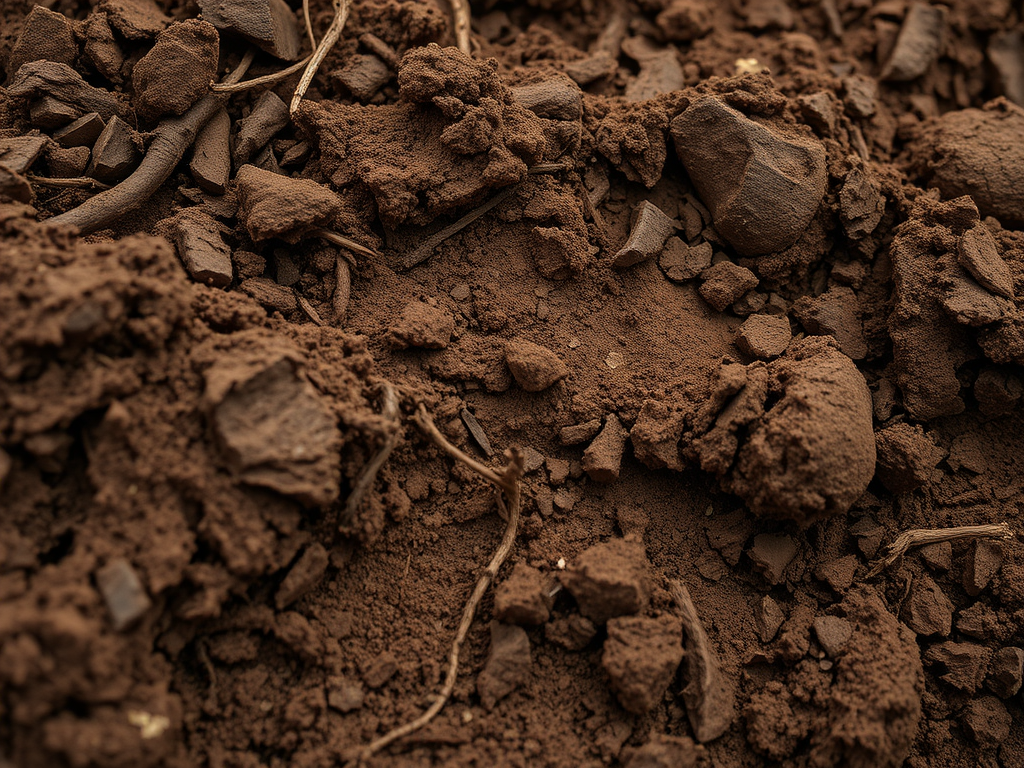
In the Critical Zone of Earth, a region of deep soil that restores water quality, scientists have found a new phylum of microorganisms They consume the leftover contaminants when ground water, which becomes drinking water, flows through where these microorganisms live. Published in the Proceedings of the National Academy of Sciences, “Diversification, niche adaptation and evolution of a candidate phylum thriving in the deep Critical Zone”.
The experts know more about the motion of celestial bodies compared to the soil underfoot. Their work on the Critical Zone, which is part of the dynamic “living skin” of Earth, hopes to change this, though.
From the tops of trees down into the earth to depths up to 700 feet, the Critical Zone runs. Regulating necessary processes including soil formation, water cycling and nutrient cycling, which are crucial for food production, water quality and ecosystem health, this zone supports most life on the earth. Though it is significant, the deep Critical Zone represents a new frontier since much of Earth remains relatively undiscovered.
What studies revealed in the deep Critical Zone layers
is that the researchers found in this vast, uncharted microbial realm a totally different phylum, or primary category, of microbe known as CSP1-3.
Soil samples from both Iowa and China at depths down to 70 feet revealed this new phylum. Why Iowa and China specifically? Researchers were curious whether their presence is more general and not only in one location since these two regions have quite deep and comparable soils.
From these deep soils, the researchers isolated DNA and discovered that CSP1-3’s ancestors lived in the water—hot springs and fresh water—many millions of years ago. During its evolutionary history, they underwent at least one significant habitat change to colonize soil environments—first topsoil and, later, deep soils.
They also discovered the microorganisms were active. Many might assume that these organisms are dormant or similar to spores. Examining their DNA revealed, however, one of their main discoveries: these microorganisms are alive and slowly developing.
The researchers were also taken off guard to discover these microorganisms were not uncommon members of the community but rather dominant; in certain instances, they constituted 50% or more of the population, which is not the case in surface soils.
They think the deep soil is such a strange environment that this group of organisms has developed over a long period of time to fit this poor soil condition.
Sources:
Wenlu Feng et al. (2025). Diversification, niche adaptation, and evolution of a candidate phylum thriving in the deep Critical Zone, Proceedings of the National Academy of Sciences (2025). DOI: 10.1073/pnas.2424463122
https://phys.org/news/2025-04-scientists-microbes-earth-deep-soil.html
AI Disclosure Statement:
The Chromoscience uses AI-assisted tools to support the preparation and editing of science articles. Content is reviewed by the editor for clarity and consistency with the cited research before publication. Readers are encouraged to consult the original scientific publications for complete findings, methods, and limitations.



