

Related Topics

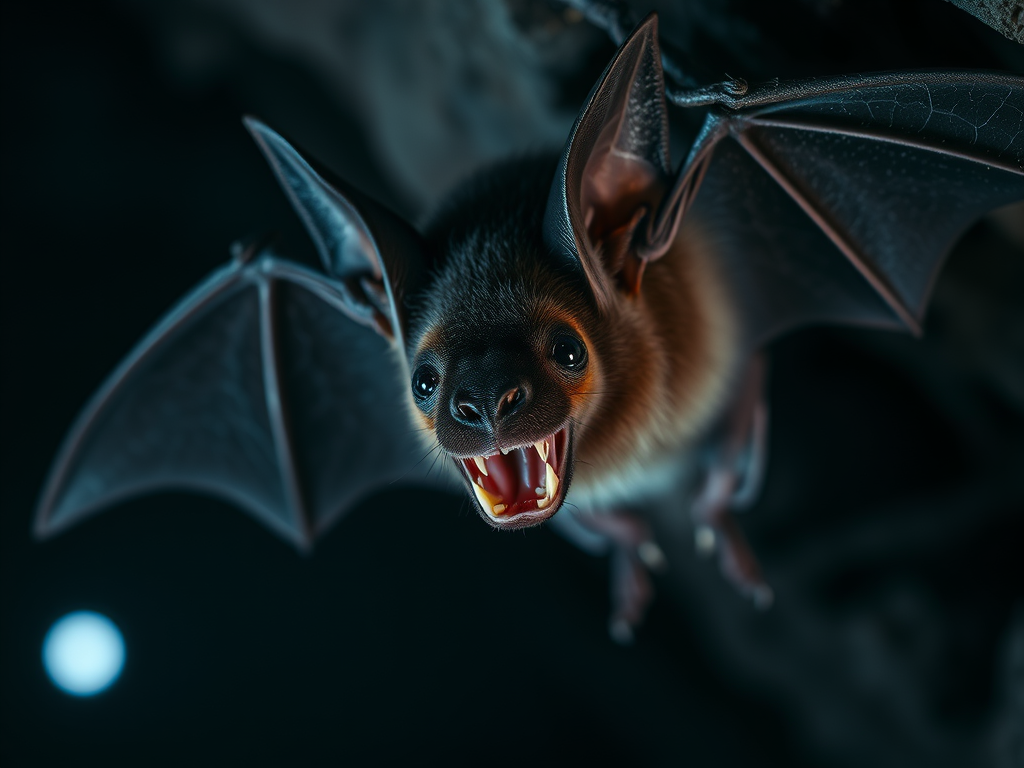
Morbilliviruses are a genus of RNA viruses that include the human measles virus. Bats that find themselves in tropical regions of the Americas serve as a reservoir for these viruses. On the other hand, it is not apparent what role they play in the transmission of morbilliviruses to other mammalian species.
Researchers from all over the world, led by Charité—Universitatsmedizin Berlin and the German Center for Infection Research, have recently conducted a study on the transmission of morbilliviruses in monkeys and bats in Brazil and Costa Rica. The findings of this study include the discovery of new virus species and the identification of host switches from bats to other mammalian species. Increasing the amount of observation and experimental risk evaluations of morbilliviruses that are reservoir-bound is something that the scientists advocate for.
Morbilliviruses are viruses that are extremely infectious and are responsible for causing serious illnesses in both humans and animals. Measles in people, rinderpest in cattle, and canine distemper in carnivores are the types of diseases that are especially notable.
Despite the fact that rinderpest has been successfully eliminated, other morbilliviruses remain to be a substantial risk to the health of both humans and livestock. In spite of the fact that they are found in a wide variety of mammalian species, very little is understood about their primary hosts, their geographical distribution, or their ability to cross to new species.
In numerous species of bats, including vampire bats, which are known to have a blood-sucking tendency that makes them more likely to come into contact with other animals, the researchers discovered signs of infection with morbilliviruses that were not known before. It was shown that antibodies against a recently identified vampire bat morbillivirus were present in over thirty percent of the vampire bats that were investigated. This finding suggests that infections of this nature are prevalent and typically do not result in death.
Wild monkeys in Brazil died with morbilliviruses. Despite no proof that the viruses caused the deaths, genomic studies have identified an evident link between monkey morbilliviruses and bat viruses. Tests in the lab indicated that monkey morbilliviruses, unlike bat morbilliviruses, may utilize the measles virus’ cell receptor, suggesting a danger of transmission to people.
Further study showed that measles or distemper antibodies may eliminate bat morbilliviruses. It appears that cross-immunity may aid vaccine development.
Monkey morbilliviruses may employ the human measles receptor, but it’s too early to tell if they’re dangerous. However, this study emphasizes wild animal virus surveillance.
Evolutionary assessments of the study reveal that bat morbilliviruses and those from carnivores and other large mammals have traversed boundaries of species multiple times. Bats can infect pigs and monkeys. Recently, bat host switches may have caused human diseases like SARS and Ebola.
The findings demonstrate that morbilliviruses are more widespread and varied in bats than previously believed and can occasionally migrate to other animals. Not a time to panic, but to be vigilant.
The researchers recommend wildlife virus monitoring, focused risk evaluations, and lasting vaccine development for humans and farm animals.
Sources:
Wendy K. Jo et al. (2025). Ecology and evolutionary trajectories of morbilliviruses in Neotropical bats, Nature Microbiology. DOI: 10.1038/s41564-025-02005-8
Bats identified as key players in cross-species spread of morbilliviruses. https://phys.org/news/2025-05-key-players-species-morbilliviruses.html
AI Disclosure Statement:
The Chromoscience uses AI-assisted tools to support the preparation and editing of science articles. Content is reviewed by the editor for clarity and consistency with the cited research before publication. Readers are encouraged to consult the original scientific publications for complete findings, methods, and limitations.



